Explanation
A Salt Lagoon Alone Does Not Reveal the Limits of Life
Microbial-mat growth was observed in Brazil’s hypersaline Vermelha lagoon. That activity does not by itself measure the maximum salinity its organisms tolerate.
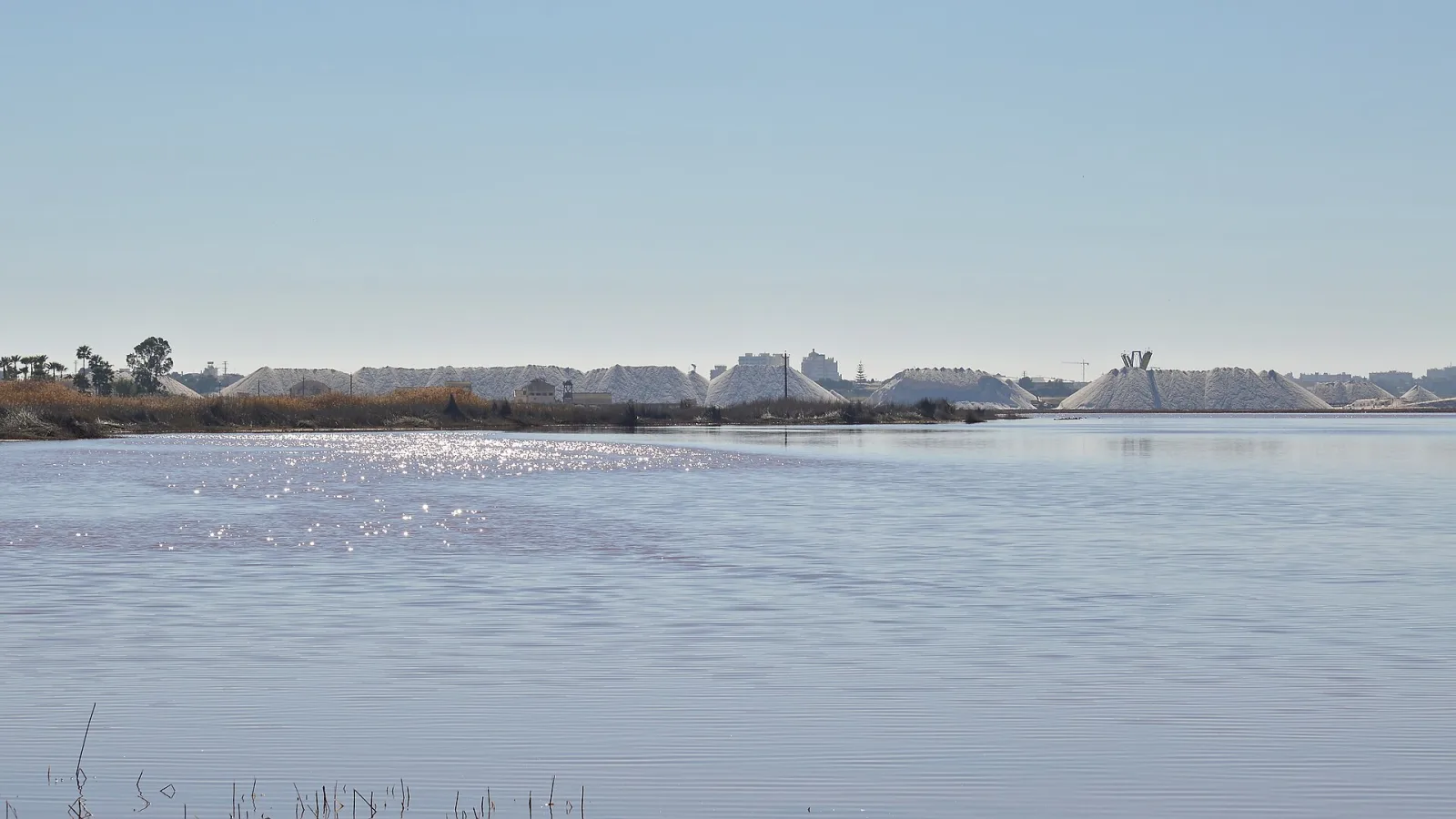
An observation in context
Vermelha is a shallow hypersaline lagoon in Brazil’s Rio de Janeiro state. Growth of microbial mats and stromatolites was observed at some stations in one of its regions. The study describes that region as having high dissolved oxygen and low total phosphorus. These observations concern that ecosystem and those sampling sites.
Presence is not a physiological threshold
Observing growth in a hypersaline environment does not establish each organism’s full salinity range or how long it could survive without growth. An ecological observation and a controlled tolerance test answer different questions. The presence of a mat does not define a universal salt-tolerance limit.
The ecosystem context
The authors characterise Vermelha as eutrophic, alkaline and well oxygenated in the water column and surface sediment. They conclude that autotrophic activity exceeds heterotrophic activity. These are ecosystem characteristics, not proof of each microorganism’s tolerance mechanism or a rule for other lagoons.
Sources and references View references Hide references 1
- Assessment of the trophic state of a hypersaline-carbonatic ... pmc.ncbi.nlm.nih.gov