Stories of the living world

Microorganisms

Habits, adaptations, life cycles and documented stories of animals, plants, fungi and microorganisms.

04

Related reading

Stories of the living world

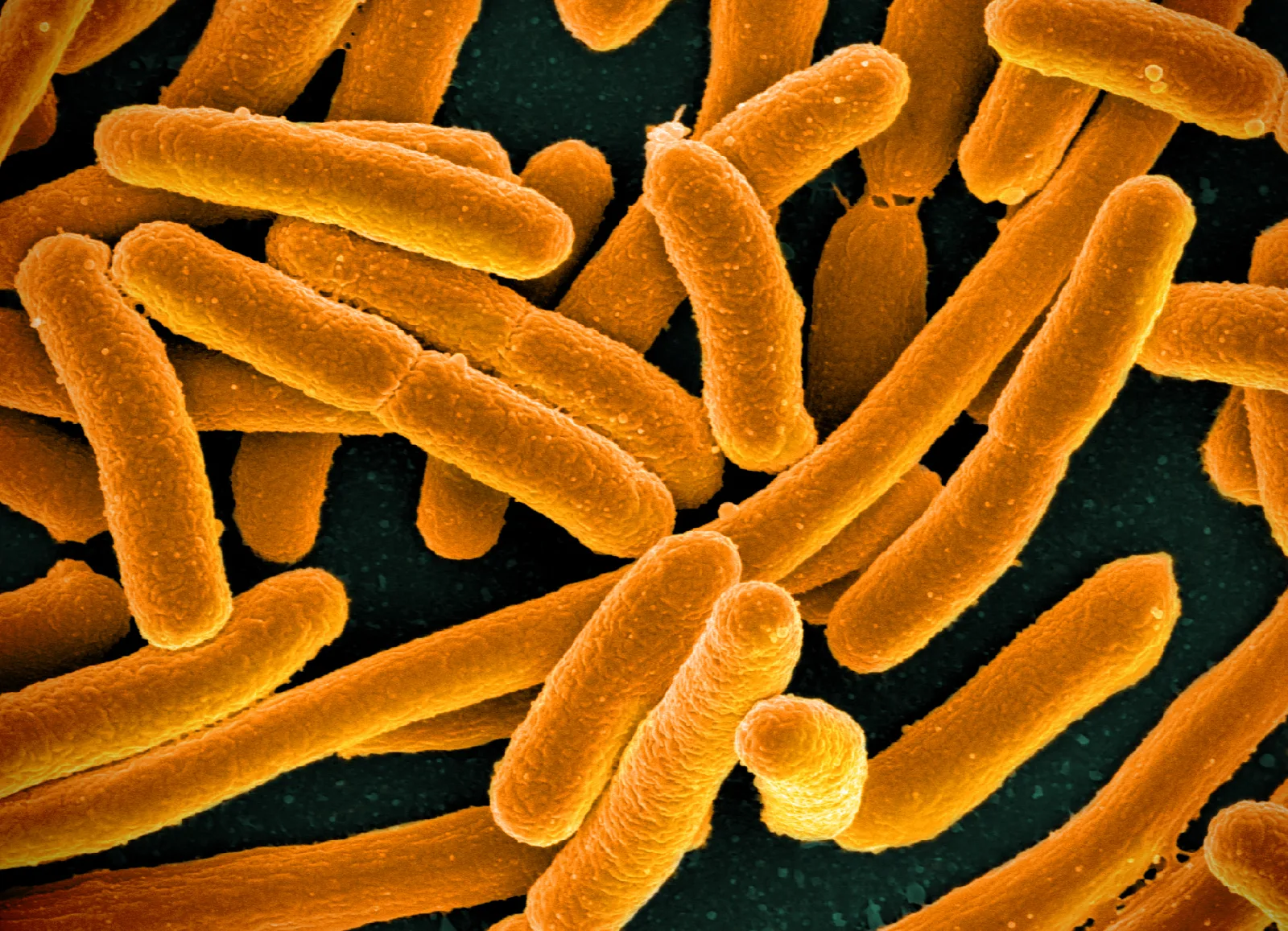
Context image: Colorized scanning electron micrograph of Escherichia coli, according to NIAID.Documentary photograph Photo by NIAID Source: wikimedia_commons CC BY 2.0 resized and converted to WebP

Explanation · 2 min

Viruses and bacteria under the microscope: what we know about scale and how they are studied

Bacteria are larger than viruses, but that difference alone does not explain which method is appropriate. The sources describe viral structures, observation with electron microscopes, and techniques that detect genetic material in samples: different ways of obtaining information, not a universal rule based on size.
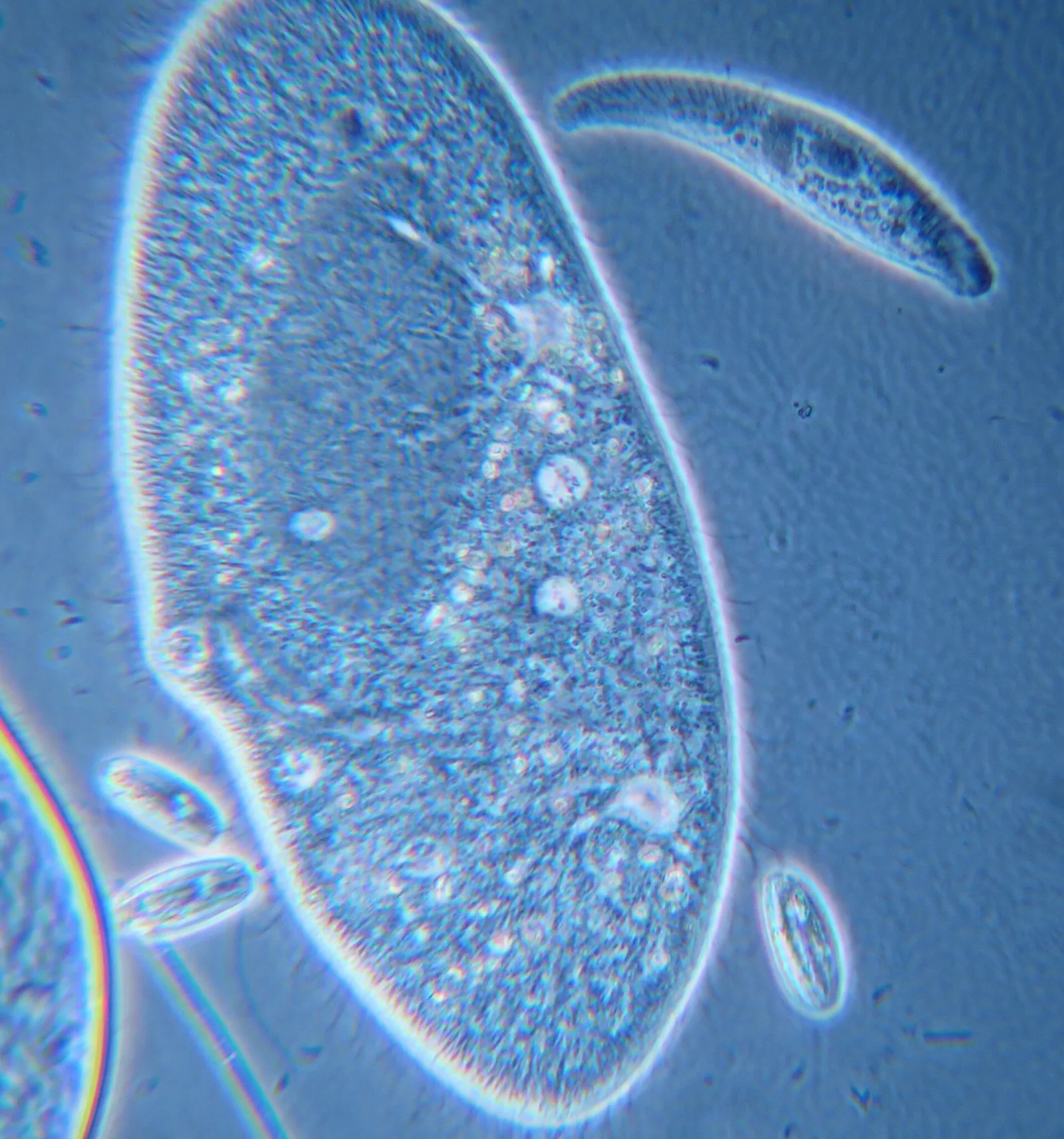
Context image: Micrograph identified as Paramecium and Litonotus in the source.Documentary photograph Photo by Picturepest Source: wikimedia_commons CC BY 2.0 resized and converted to WebP

Explanation · 2 min

Cilia, flagella and pseudopods: three ways of moving

Protozoa are largely defined by their method of locomotion, which includes cilia, flagella, and pseudopods. Ciliates beat their cilia rhythmically to propel themselves, while amoebas move via pseudopods and cytoplasmic flow. Euglena, a flagellated alga, represents the third group of organisms that use these structures.

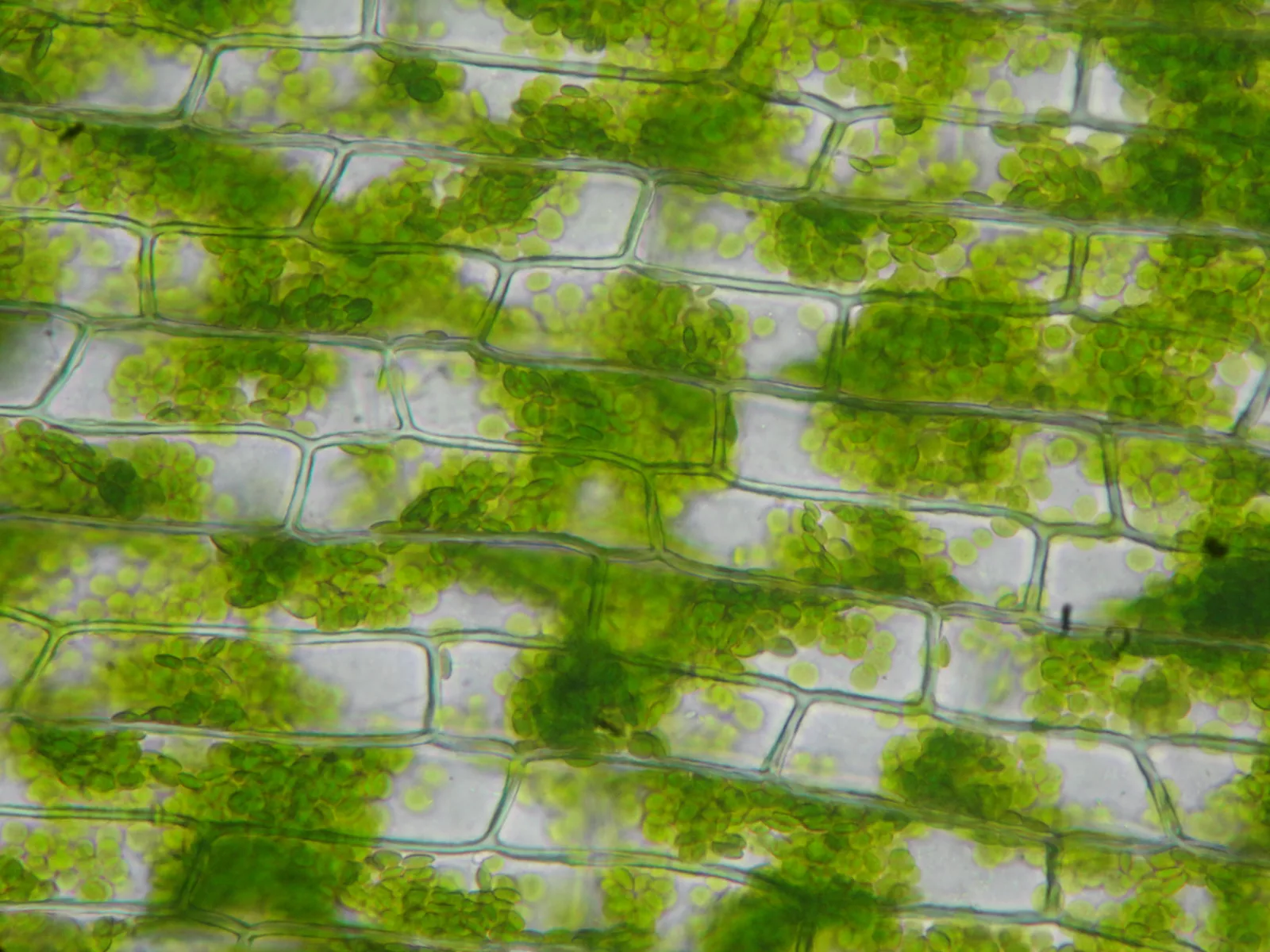
Documentary photograph: Freshwater Under the Microscope: Possible Inhabitants, Not an Inventory of a DropDocumentary photograph Photo by WEI, WAN-CHEN(魏琬臻) Source: wikimedia_commons CC BY-SA 4.0 resized and converted to WebP

Explanation · 2 min

Freshwater Under the Microscope: Possible Inhabitants, Not an Inventory of a Drop

A drop of freshwater does not have a universal roster of inhabitants. Sources describe groups that live in lakes and rivers—from photosynthetic microorganisms to zooplankton—but do not document what a particular drop contains. They also explain why a microscopic image, or a software program’s label, is not always enough to identify a species.

Another scale of the living world

Diversity on a small scale

Microorganisms is a grouping by scale, not a biological kingdom. It brings together organisms from different branches of the tree of life; each profile retains its taxonomic classification.

Bacteria

Cellular organisms without a membrane-bound nucleus. They include cyanobacteria.

Archaea

Organisms without a cellular nucleus, evolutionarily distinct from bacteria.

Protozoa

Single-celled eukaryotes, such as amoebae and ciliates.

Microscopic algae

Microscopic forms such as diatoms and some green algae; they do not form a single kingdom.

Microscopic fungi

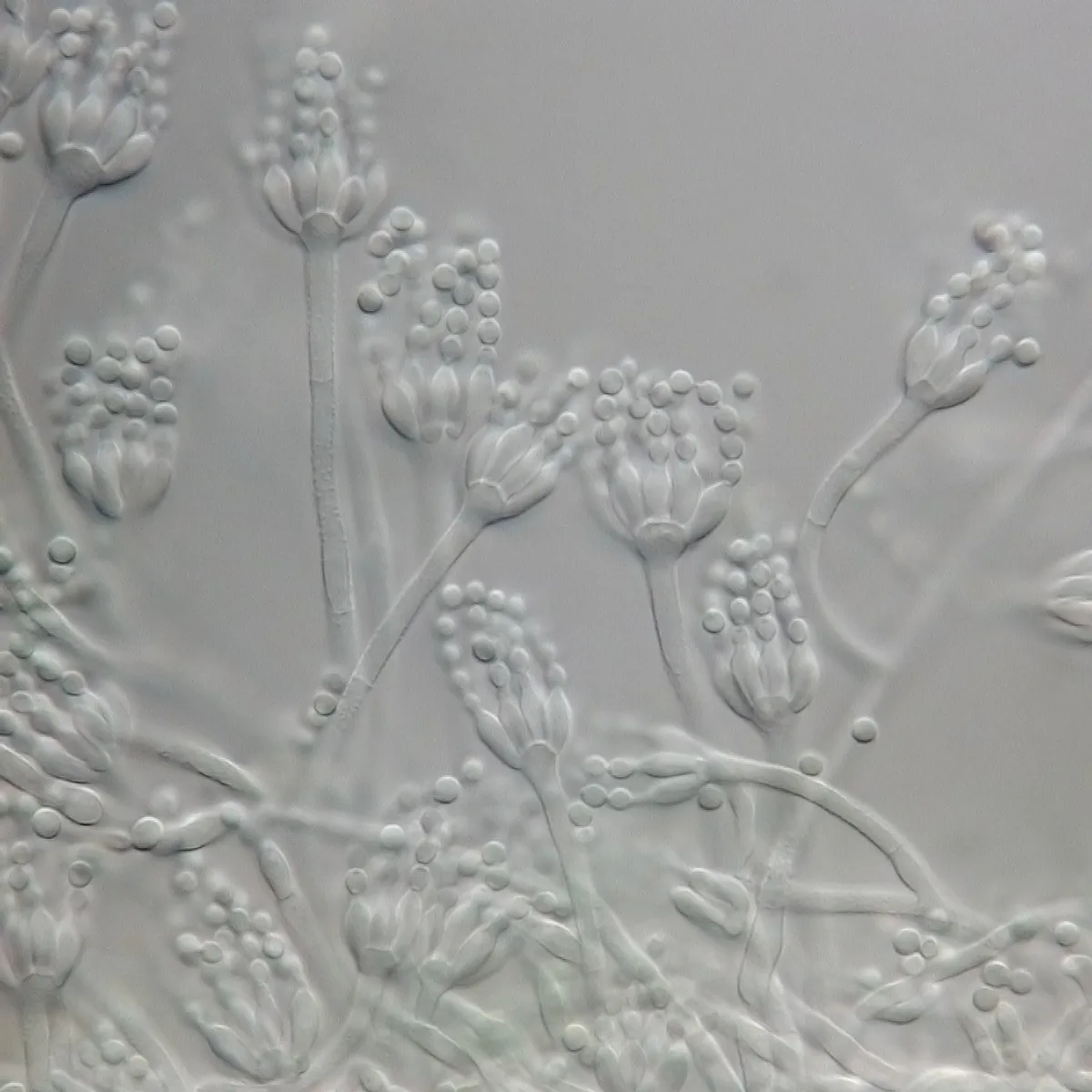
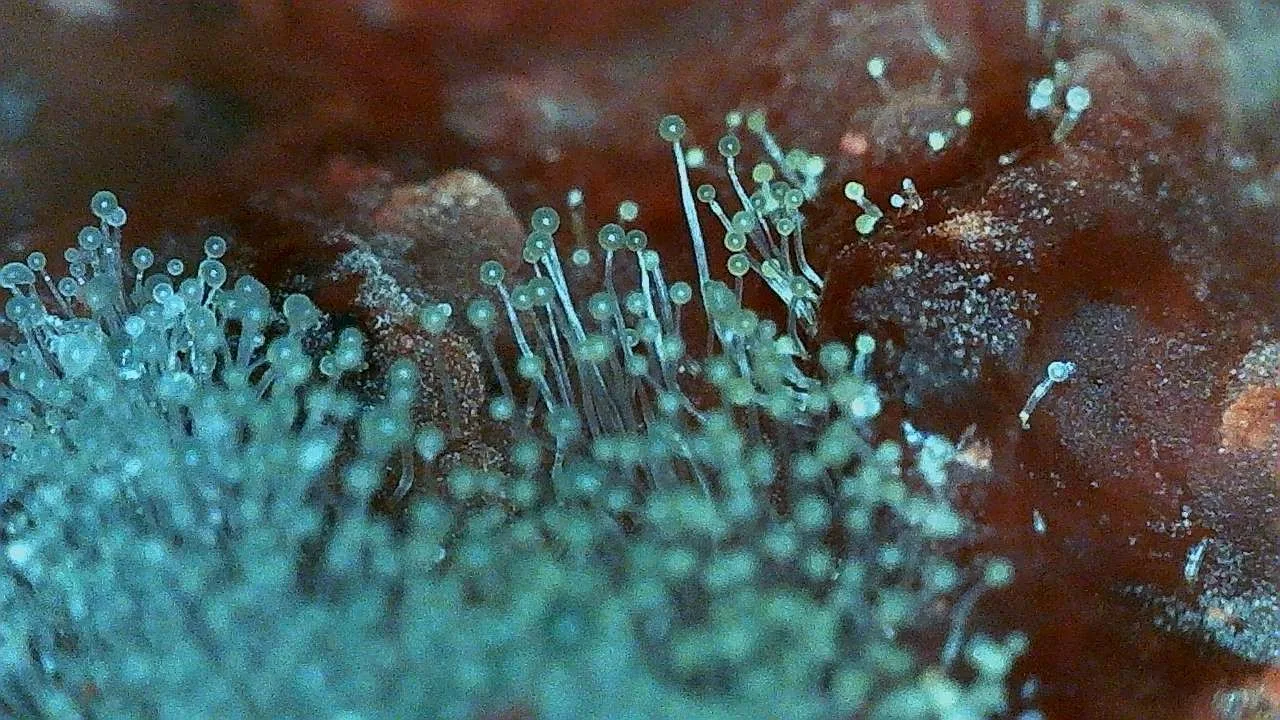
Yeasts and moulds, belonging to the kingdom Fungi.

These groups overlap: yeasts are also fungi. Not all algae or chromists are microscopic. Fungi