Explanation
Saccharomyces cerevisiae on Grape Skins: Presence Is Not Residency
The yeast Saccharomyces cerevisiae plays a role in wine fermentation, but it is rarely found on intact grapes. A study describes grape skin as an unsuitable environment for this species to establish a stable presence: a specific case, not a general map of where yeasts live.
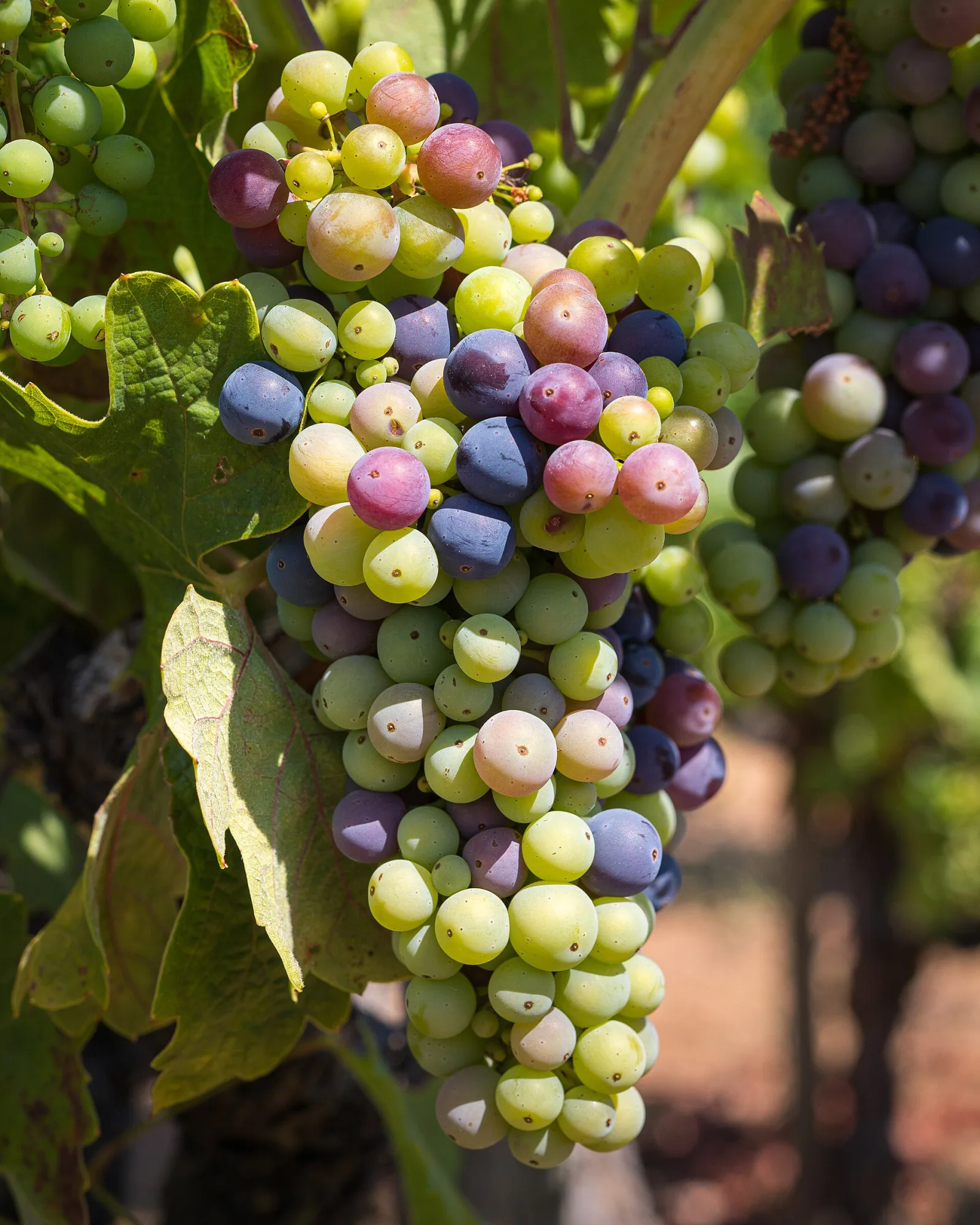
A specific case, not an inventory
Saccharomyces cerevisiae, known for its role in alcoholic fermentation, is rarely found on intact grapes. The grape-skin study describes this environment as unsuitable for stable residence by this species. Detecting it there does not demonstrate a persistent population.
Finding It Does Not Mean It Has Established Itself
The key distinction is between presence and stable residency. Detecting a yeast on a surface does not, by itself, show that it maintains a persistent population there. In the case of S. cerevisiae, the primary source notes both its rare presence on intact grapes and the difficulty of stable residency on the skin; therefore, a single detection should not be turned into a claim about its usual habitat.
Sources and references View references Hide references 3
- The fascinating and secret wild life of the budding yeast S. cerevisiae. pmc.ncbi.nlm.nih.gov
- Adaptation of yeast Saccharomyces cerevisiae to grape-skin environment. pmc.ncbi.nlm.nih.gov