Explanation
Cilia, flagella and pseudopods: three ways of moving
Protozoa are largely defined by their method of locomotion, which includes cilia, flagella, and pseudopods. Ciliates beat their cilia rhythmically to propel themselves, while amoebas move via pseudopods and cytoplasmic flow. Euglena, a flagellated alga, represents the third group of organisms that use these structures.
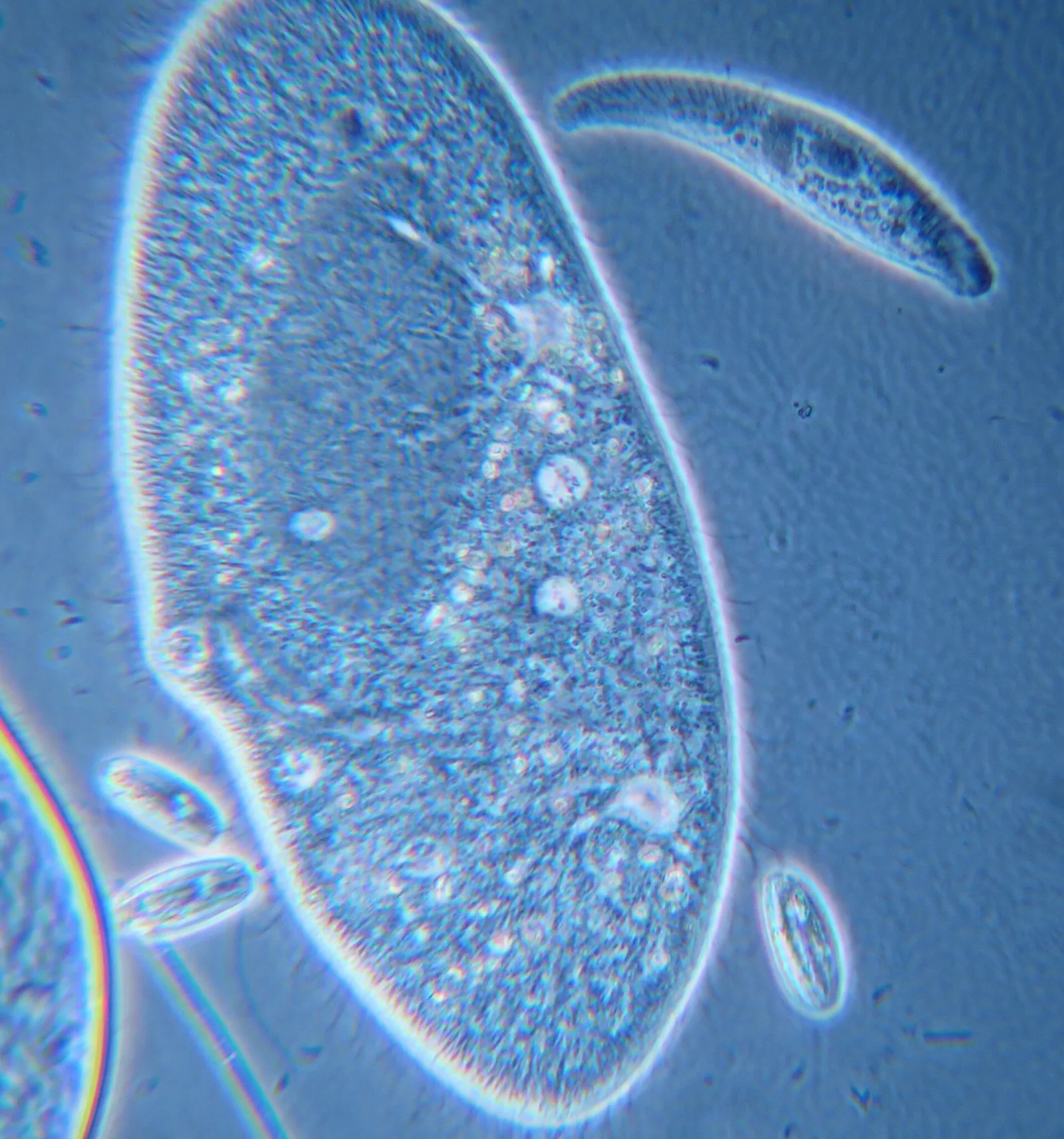
Locomotion as a defining trait
Protozoa are largely defined by their method of locomotion, which includes the use of flagella, cilia, and pseudopods. These structures allow unicellular organisms to move in their environments, with protozoa being a group of eukaryotes that, along with bacteria and archaea, represent the vast majority of living beings on the planet.
The rhythmic impulse of cilia
Ciliates are a group of protozoa that use cilia for locomotion. In these organisms, cilia beat rhythmically to propel the organism forward. They are very abundant in almost all environments where water can be found. Among the cited examples are Paramecium, Stentor, and Vorticella. Many ciliates also possess trichocysts, lance-shaped organelles that can be discharged to capture prey, anchor themselves, or defend themselves.
Pseudopods and cytoplasmic flow
Amoebas use pseudopods and cytoplasmic flow to move in their environment. This mechanism of displacement is associated with phagocytosis, as heterotrophic protozoa can consume food by enveloping it with pseudopods. A notable example is Entamoeba histolytica, the cause of amoebiasis, which also appears to be capable of producing meiosis.
Flagella in algae and protozoa
Flagella constitute the third method of locomotion described in protozoa. Flagellated algae, mostly unicellular and frequently present in freshwater, lack cell walls and can be mixotrophic. Euglena is an example of this group, capable of producing its energy through photosynthesis, which classifies it as autotrophic.
Sources and references View references Hide references 1
- Organismo unicelular es.wikipedia.org