Questions-and-answers
Autumn Colors: What We Know and What Remains Debated
The loss of chlorophyll can reveal other pigments, but there is no single explanation for all autumn colors. Here is what the sources allow us to say—and what they do not yet establish—about the leaves of trees and shrubs.
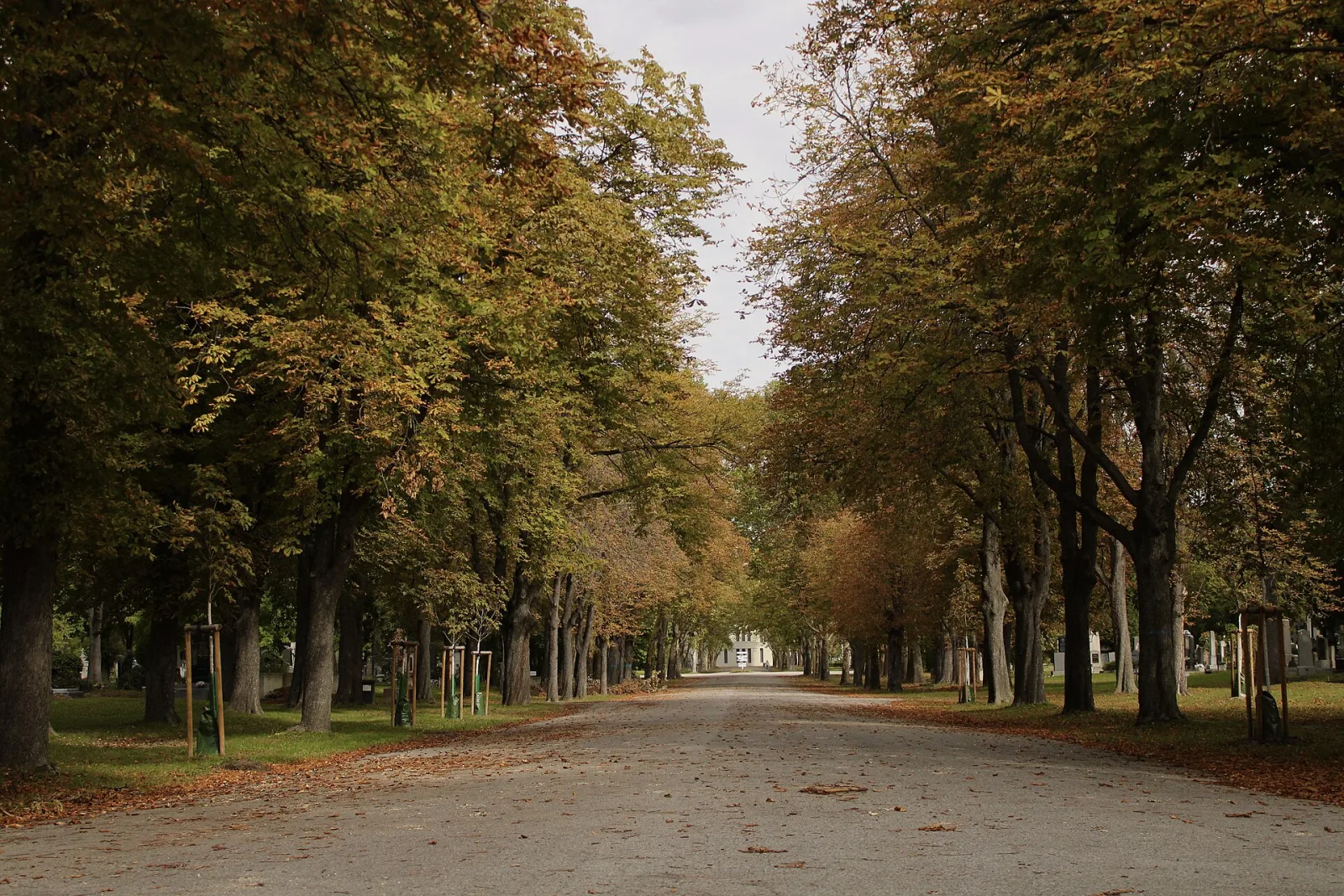
What changes in a leaf when autumn colors appear?
In many woody plants in temperate and boreal regions, autumn leaves can appear yellow or red. One well-known explanation is that as chlorophyll—the green pigment involved in photosynthesis—breaks down, other pigments already present in the leaf become visible. This explains part of the change, but does not by itself account for all red hues or every case.
Why does this happen during the transition to winter?
Leaves are where much of photosynthesis takes place. In deciduous trees, leaf activity and the process of recovering nutrients can continue while the tree prepares to shed its leaves. The sources link seasonal leaf fall to shorter days and lower temperatures, but do not present one sequence that applies to every species.
Does colour always appear before leaves fall?
Autumn colour and leaf fall are related processes, but should not be turned into an identical sequence for every species and place. A general explanation of pigments does not itself establish the timetable of each tree.
Is there a single function for red and yellow hues?
There is no single established explanation. A review of the research describes possible physiological functions, such as protection from excess light and oxidative stress, as well as hypotheses about defense against herbivores. These possibilities are not necessarily mutually exclusive, and their importance may vary among species and conditions. The review emphasizes that the topic remains debated.
Do the colors deter aphids?
It has been proposed that autumn color could warn aphids about a tree’s defenses. However, a review focused on these insects’ vision and responses concluded that the available knowledge did not support the idea that these colors are an effective means of deterring them. A later review also describes disagreements and notes that different functions could coexist: the idea should not be presented as a demonstrated explanation for all trees.
Do all species and regions show the same display?
No. The cited evidence mainly concerns woody plants in temperate and boreal regions, and a horticultural source notes that color can vary with weather and plant genetics. This scope does not allow a pattern to be extrapolated to every species, season, or region; the explanations should be read as general to the area described, not as a universal rule.
Sources and references View references Hide references 5
- Are autumn foliage colors red signals to aphids? pmc.ncbi.nlm.nih.gov
- Why do leaves change colour in autumn? | Kew www.kew.org
- Poor autumn colour | RHS Advice www.rhs.org.uk
See and listen
Images, sounds and scenes
Resources that complement the information, with their origins and reuse conditions.
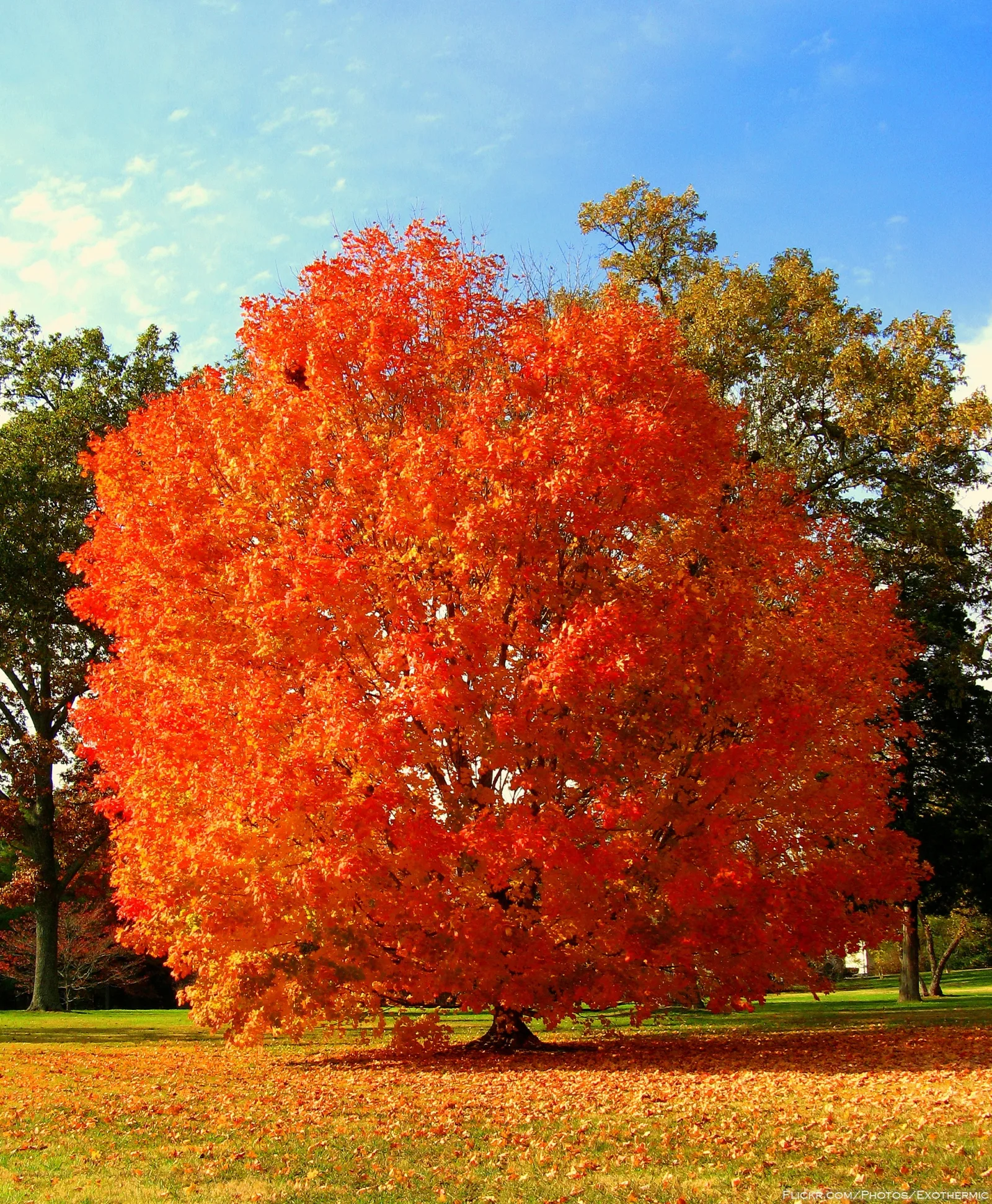
Documentary photograph: Why Do Leaves Change Color Before Falling?