Comparison
Bees and flies on flowers: food and pollination
Pollen, nectar and flower shape help explain visits by bees and flies. Visiting a flower does not always mean pollinating it.
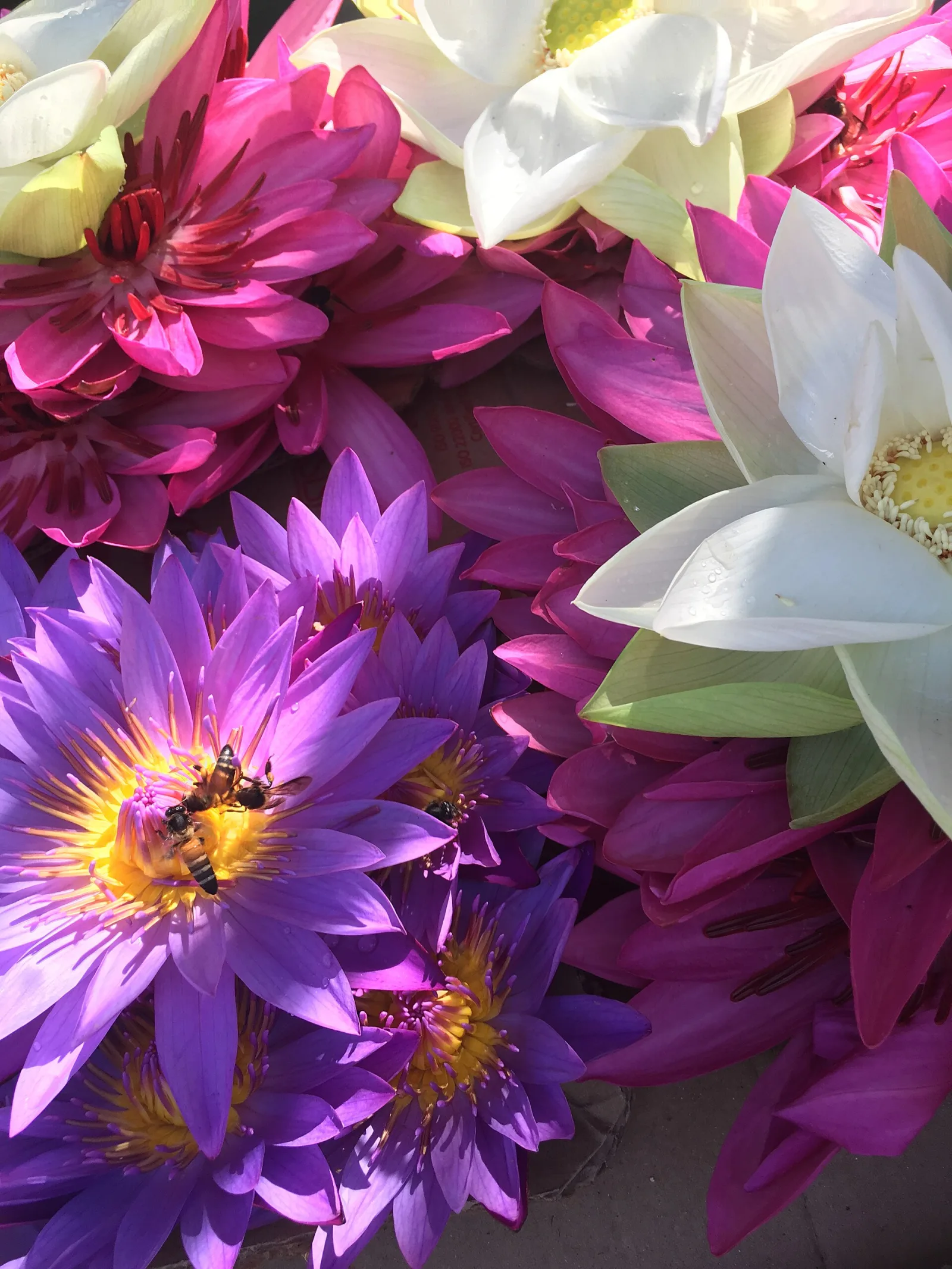
What they seek in flowers
Pollen and nectar are common rewards for flower visitors. Bees may consume them, and nesting females collect pollen to feed their young. Some bees also gather oils, resins or fragrances, with different uses in different groups.
Reaching the nectar
The position of nectar and the shape of a flower affect access to food. In flowers visited by flies with short mouthparts, nectar is often exposed. This relationship describes a way of feeding, not a universal rule for recognising every insect.
A visit does not prove pollination
Pollination involves moving pollen from an anther to a stigma. Some visitors consume resources without making that transfer. Seeing an insect on a flower does not prove that it has pollinated it, nor can behaviour alone identify the insect with certainty.
Sources and references View references Hide references 3
- Visitantes Florales de la FAUBA | Facultad de Agronomía - UBA www.agro.uba.ar
- Polinización www.biodiversidad.gob.mx
- Mieles | Biodiversidad Mexicana www.biodiversidad.gob.mx
See and listen
Images, sounds and scenes
Resources that complement the information, with their origins and reuse conditions.
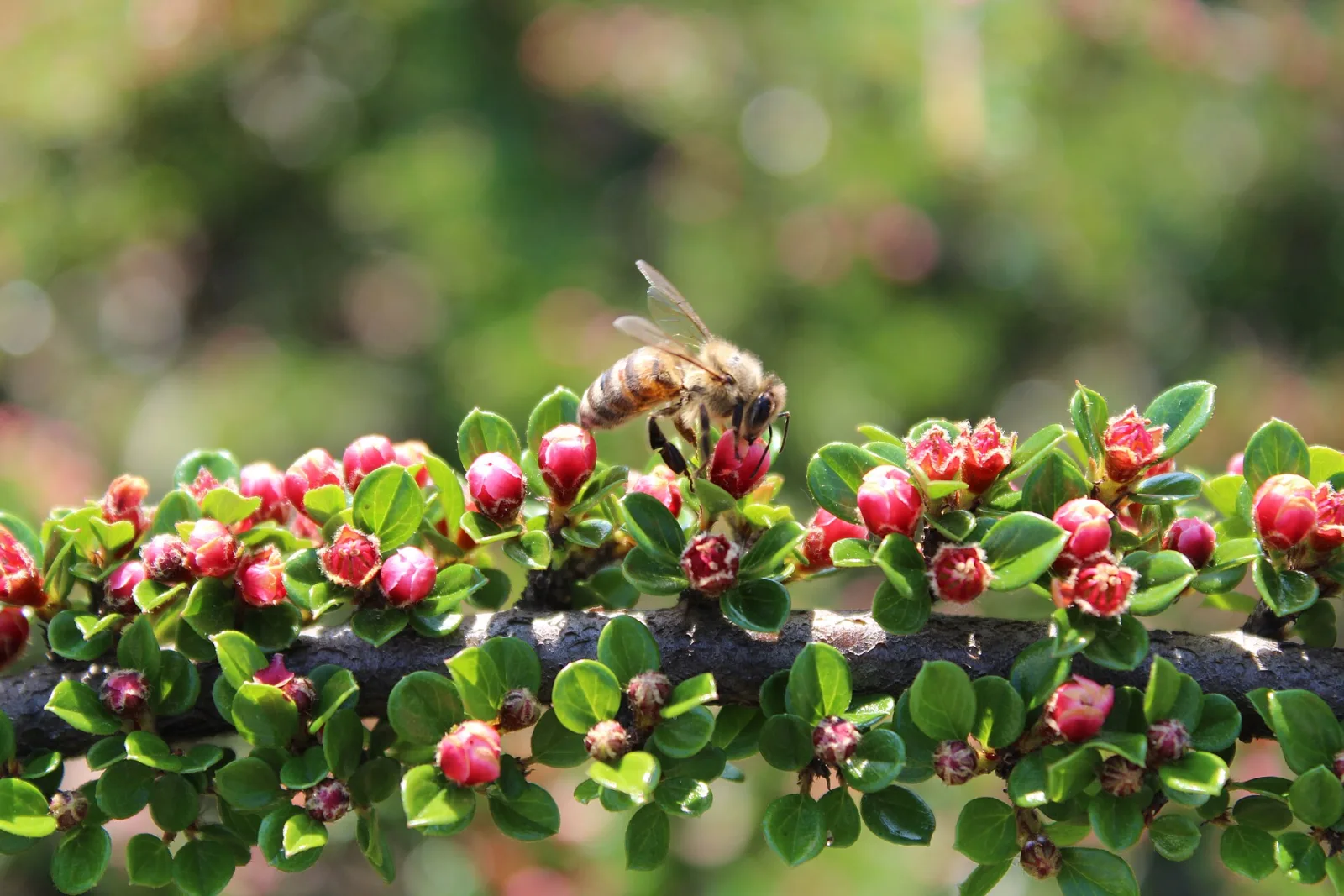
Documentary photograph: Bees and Flies on Flowers: What the Evidence Allows Us to Compare