Observation-guide
Bracts and flowers in the heads of wild artichoke (*Cynara cardunculus*)
Observation guide to distinguish the involucral bracts from the tubular flowers and follow their arrangement in a head.
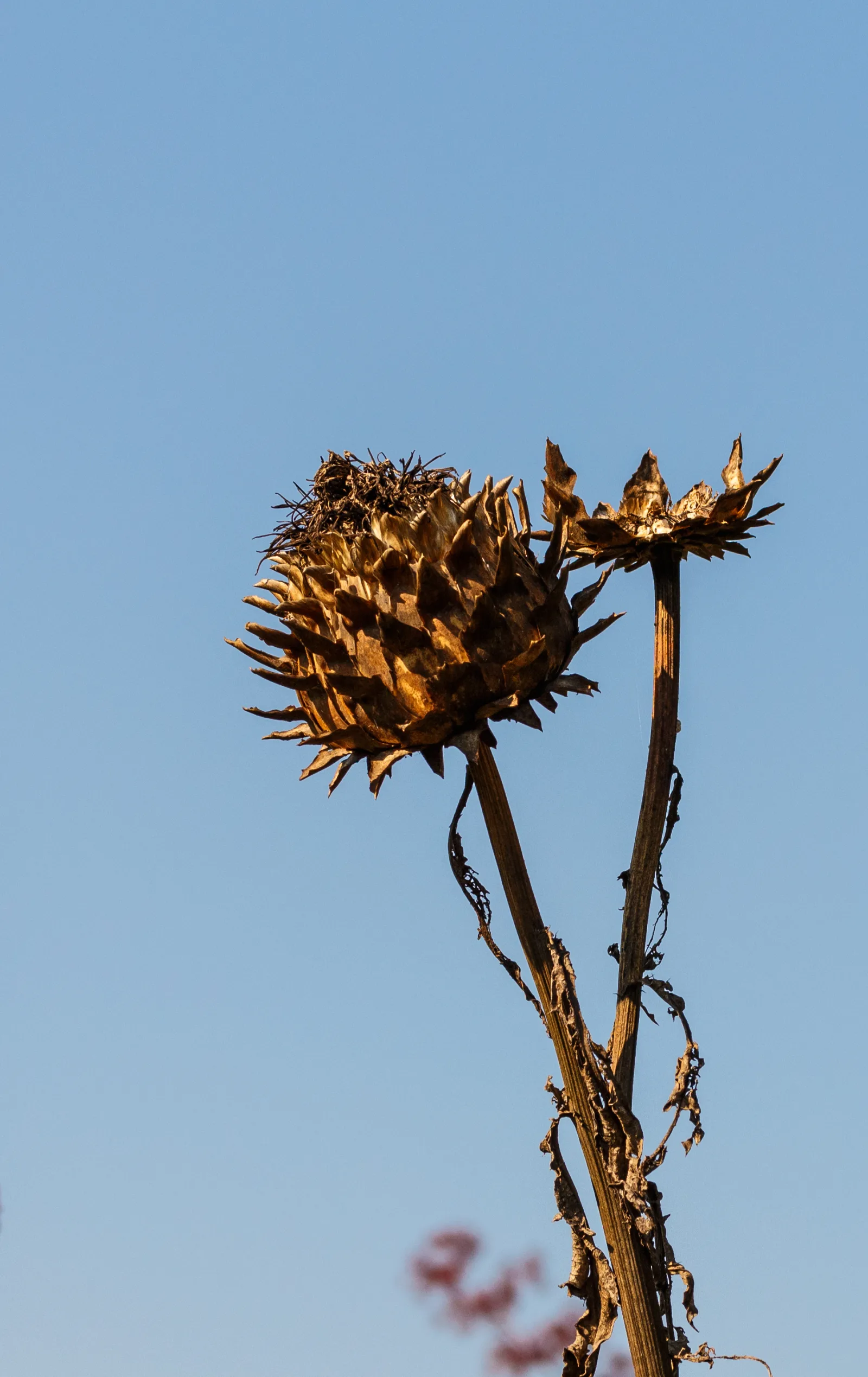
Identity and head traits
The wild artichoke (Cynara cardunculus) presents heads of 5-8 x 4.5-6 cm, terminal, with triangular bracts arranged in several rows, ending in a thick spine, with blue-purple flowers. The plant has a large rosette of very divided, pinnatifid leaves, with yellowish and whitish spines due to its silky hairs. These traits allow it to be distinguished from the common artichoke, as the common artichoke does not have such divided leaves and has no spines on either the leaves or the heads.
Responsible observation
To observe the involucral bracts and tubular flowers in their arrangement within the head, it is possible to document these traits without collecting the plant. Identification is based on the presence of spines on the bracts and the blue-purple coloration of the flowers, characteristics that differ from other species of the genus.
Sources and references View references Hide references 1
- Cynara cardunculus L. www.miteco.gob.es
See and listen
Images, sounds and scenes
Resources that complement the information, with their origins and reuse conditions.
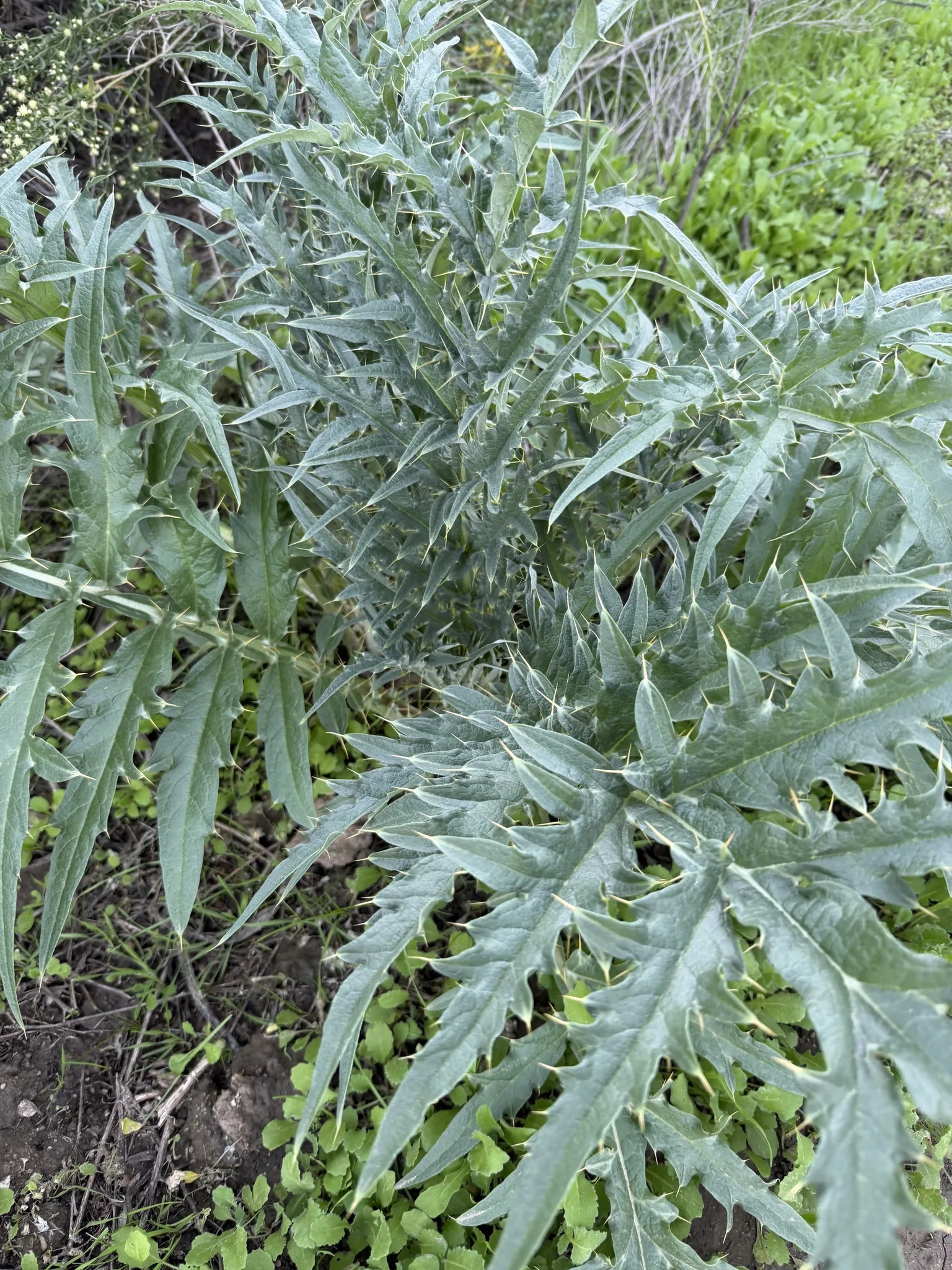
Documentary photograph: Bracts and flowers in the heads of wild artichoke (*Cynara cardunculus*)
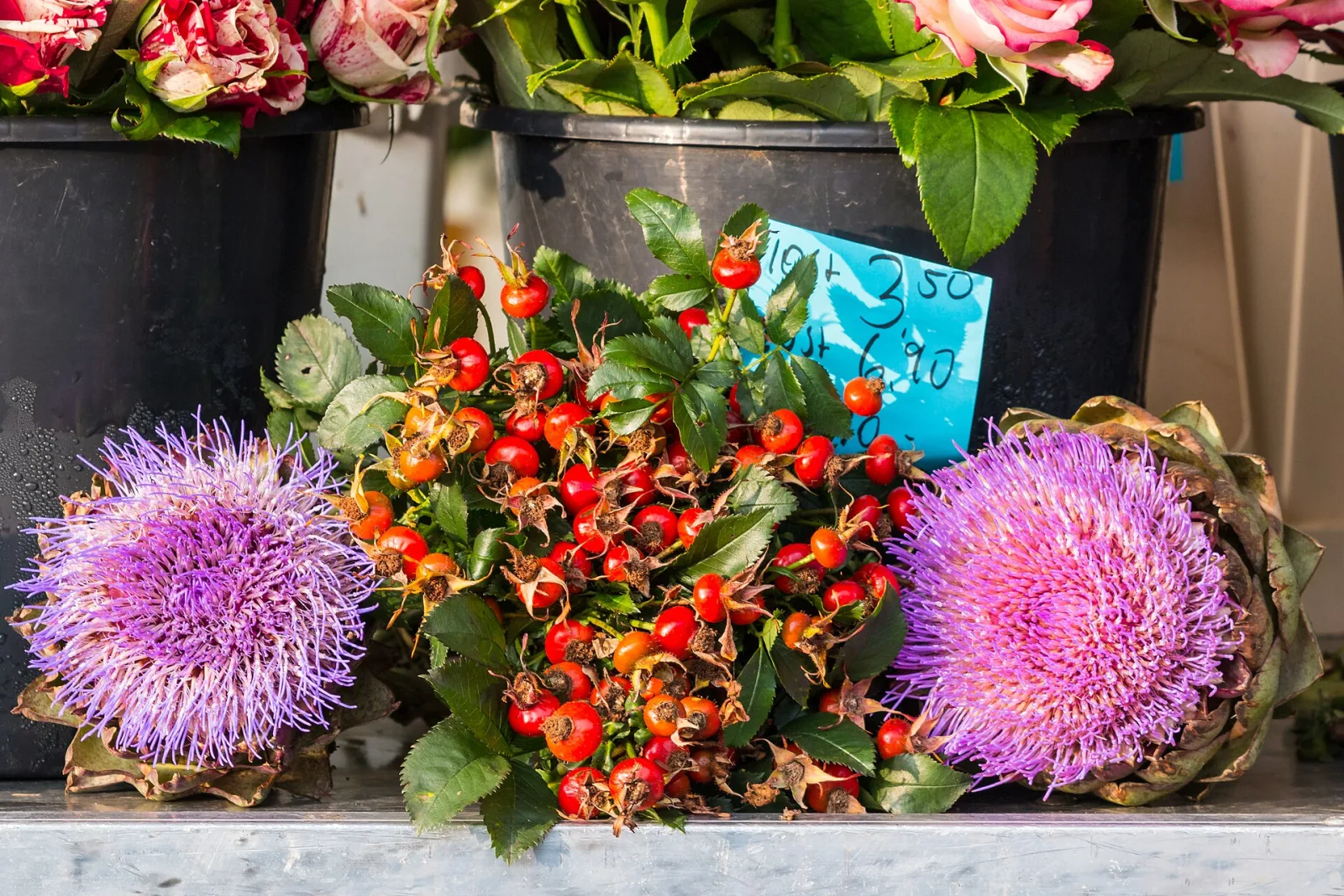
Documentary photograph: Bracts and flowers in the heads of wild artichoke (*Cynara cardunculus*)