Report
Crossing Gibraltar: how white storks change their flight
Sensor tracking shows that moving from land to sea changes flight. Wind, altitude and departure point all matter.
A different medium
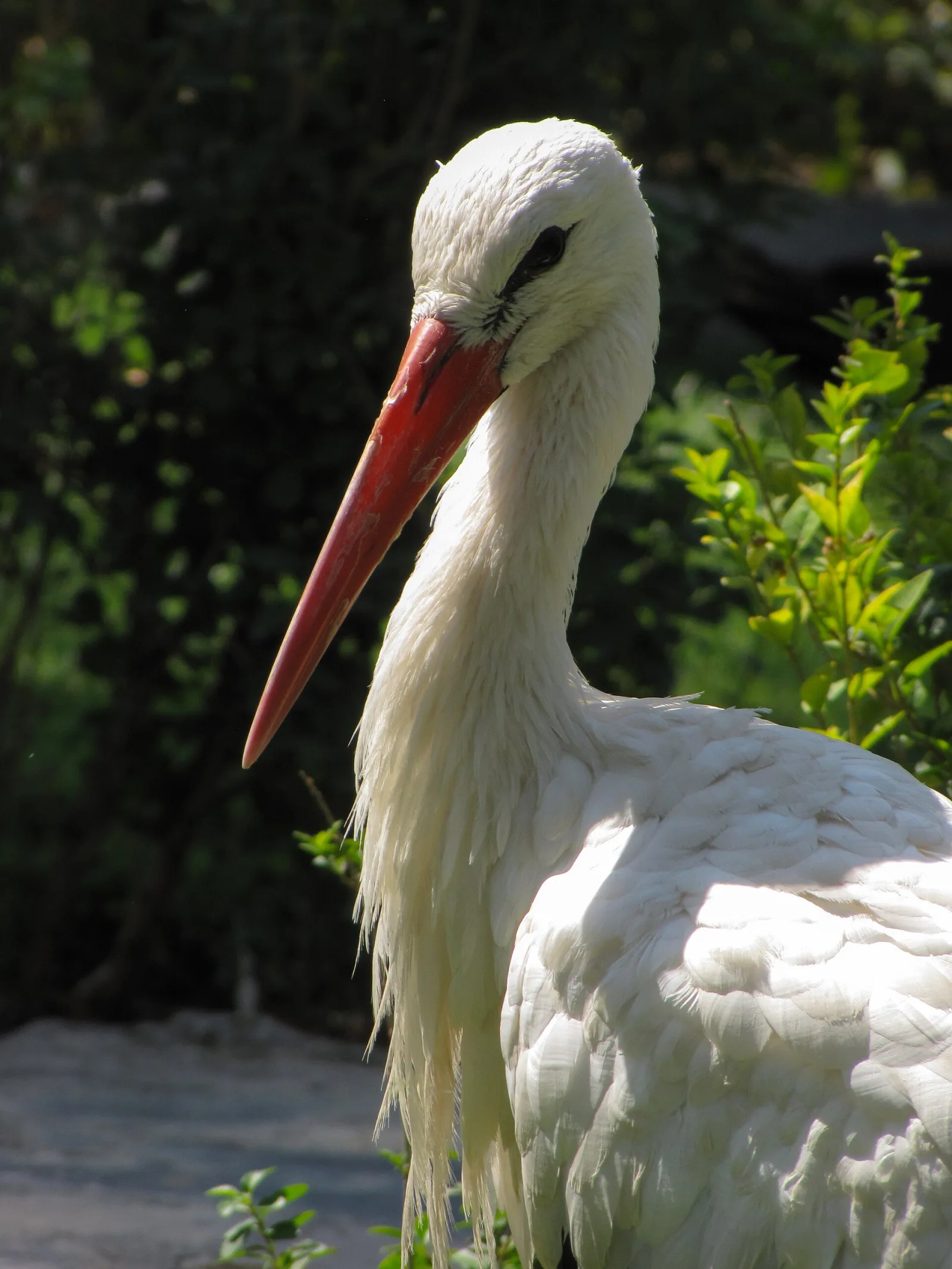
For a white stork, crossing Gibraltar is not simply an extension of flight over land. A CSIC communication from December 2020 describes climbing and gliding on land, contrasting with straighter, descending sea crossings involving intense flapping. It is a documented example of how a water barrier can change a bird’s movement strategy.
Tracking individual birds
Researchers from the Doñana Biological Station and the Max Planck Institute equipped white storks with GPS, altimeters and accelerometers. They compared movements before, during and after the crossing rather than observing only flocks from the coast. The instruments together allowed location, altitude and flight activity to be studied at the individual level.
Wind and departure matter
According to that communication, crosswinds and the birds’ entry point into Campo de Gibraltar helped predict positions on either side of the Strait. Crossing distance from the chosen departure point, departure altitude and wind were determinants of crossing performance. These findings concern the studied case: they are not a recipe for predicting every crossing or a conclusion about all migratory species.
Sources and references View references Hide references 1
- Estrategias de vuelo de cigüeñas blancas en Gibraltar www.ebd.csic.es