Collection
Dead wood and forest organisms
Fungi, lichens and beetles are associated with different dead-wood structures. A Swedish study and other forest contexts illustrate the importance of place and substrate.
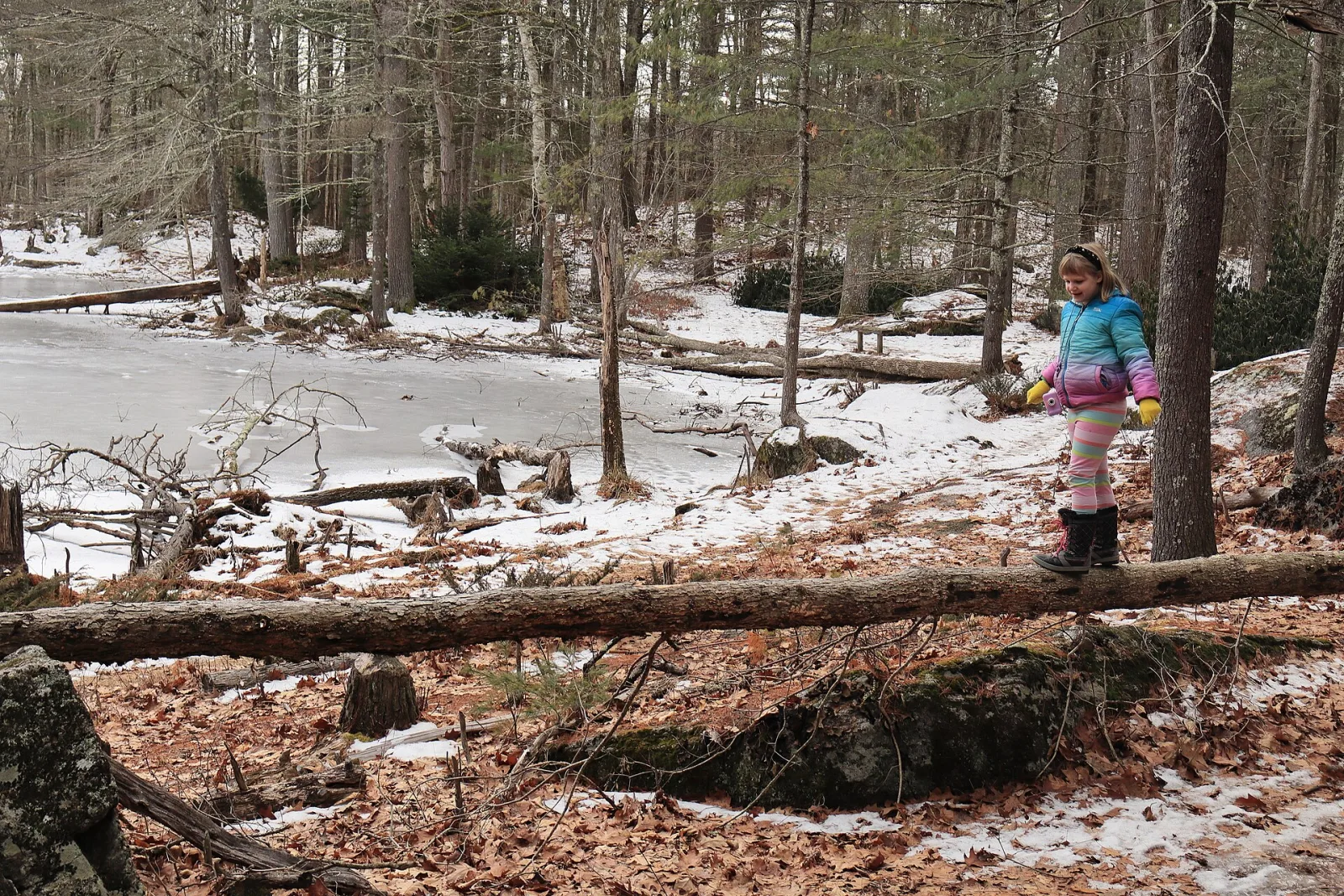
Different structures within a forest
Dead wood provides different substrates, including stumps, standing dead trees and fine woody debris. Comparing associated organisms requires distinguishing those structures and the forest studied. Findings from one place are not an inventory for every environment.
A study in a Swedish boreal landscape
The central Swedish study examined macrofungi, lichens and beetles on different kinds of dead wood. Occurrence patterns did not agree with the hypothesis tested. Under its habitat-quality measure, stumps and standing dead trees scored higher than fine woody debris. This is a result for that landscape and method, not a universal management rule.
Other forest contexts
Cryptogam research addresses organisms associated with dead-wood structures in temperate broadleaved forests. A US Forest Service synthesis describes changes in ectomycorrhizal fungal assemblages across forest-development stages. These are different questions and settings, not a direct comparison between species or records from wetland edges.