Report
Decomposer fungi: wood does not simply disappear
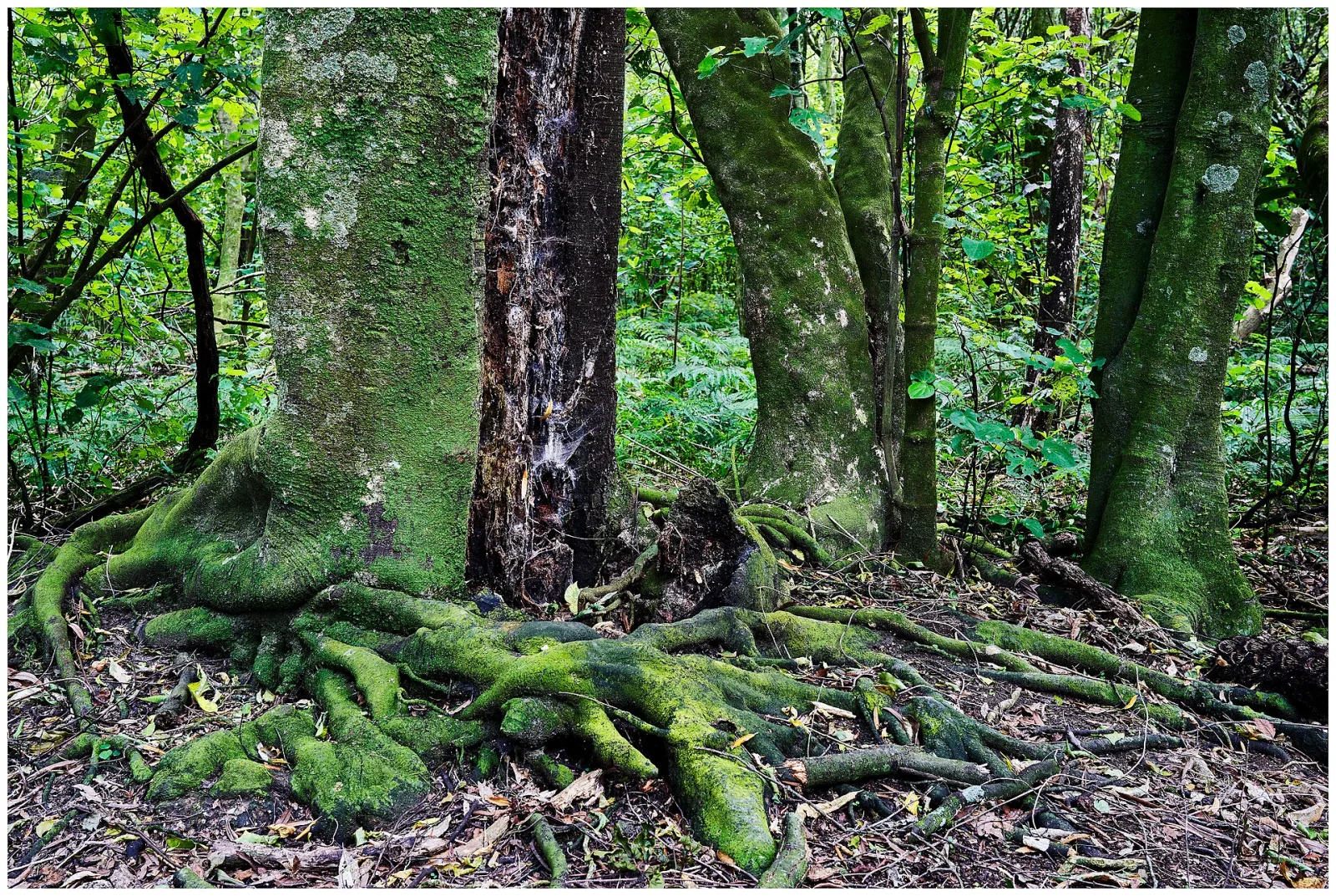
Leaves, needles and dead trunks participate in a process of transformation in forests. Decomposer fungi help return nutrients to the system.
Dead matter as fungal food
Saprotrophic fungi obtain nutrients from dead or decaying organic matter. In Mount Rainier’s forests, the National Park Service describes their role in recycling wood, leaves and other debris, freeing nutrients for microorganisms, insects and growing plants. A fallen trunk is therefore not simply surplus material: it forms part of that transformation. The process can be underway even when no mushrooms are visible at the time.
Two ways to transform wood
Brown rot leaves dark, brittle wood that may fracture into cube-like pieces: mycelial networks break down cellulose while leaving lignin. White rot can produce paler, softer, stringy wood; it involves fungi breaking down lignin and sometimes cellulose as well. These describe modes of decomposition, not two species names. Mount Rainier’s guide presents the differences to explain changes in wood, without reducing all fungal diversity to those two categories.
Read a process, not a species identity
Texture, colour and fracture patterns offer a way to approach the described process, but do not establish which fungus caused it. Different species can produce the same form of rot. Nor does an explanation of nutrient recycling tell you how long the trunk before you will take to decompose. The interest lies in an ecological transformation continuing even without visible fruiting bodies. This is not an edible mushroom identification guide: decomposer function and food safety are not equivalent.
Sources and references View references Hide references 1
- Decomposing Fungi www.nps.gov
See and listen
Images, sounds and scenes
Resources that complement the information, with their origins and reuse conditions.
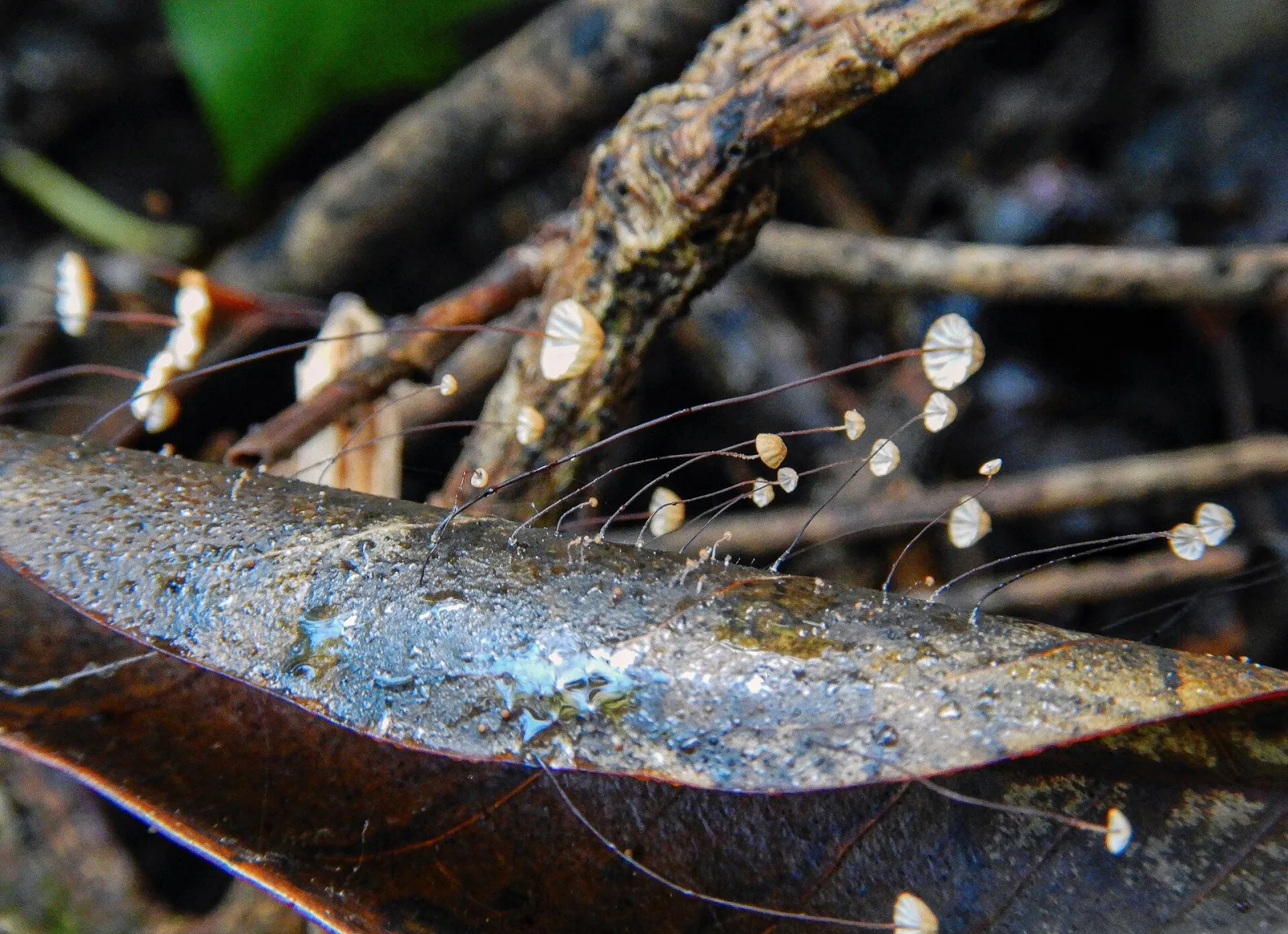
Small fruiting bodies on a fallen leaf; a context photograph for decomposer fungi.