News
EU Enlargement Faces Ecological Credibility Test
As Montenegro and Albania approach EU accession, EuroNatur warns that environmental conditionality must be enforced in practice, not just on paper, to maintain the credibility of the enlargement process.
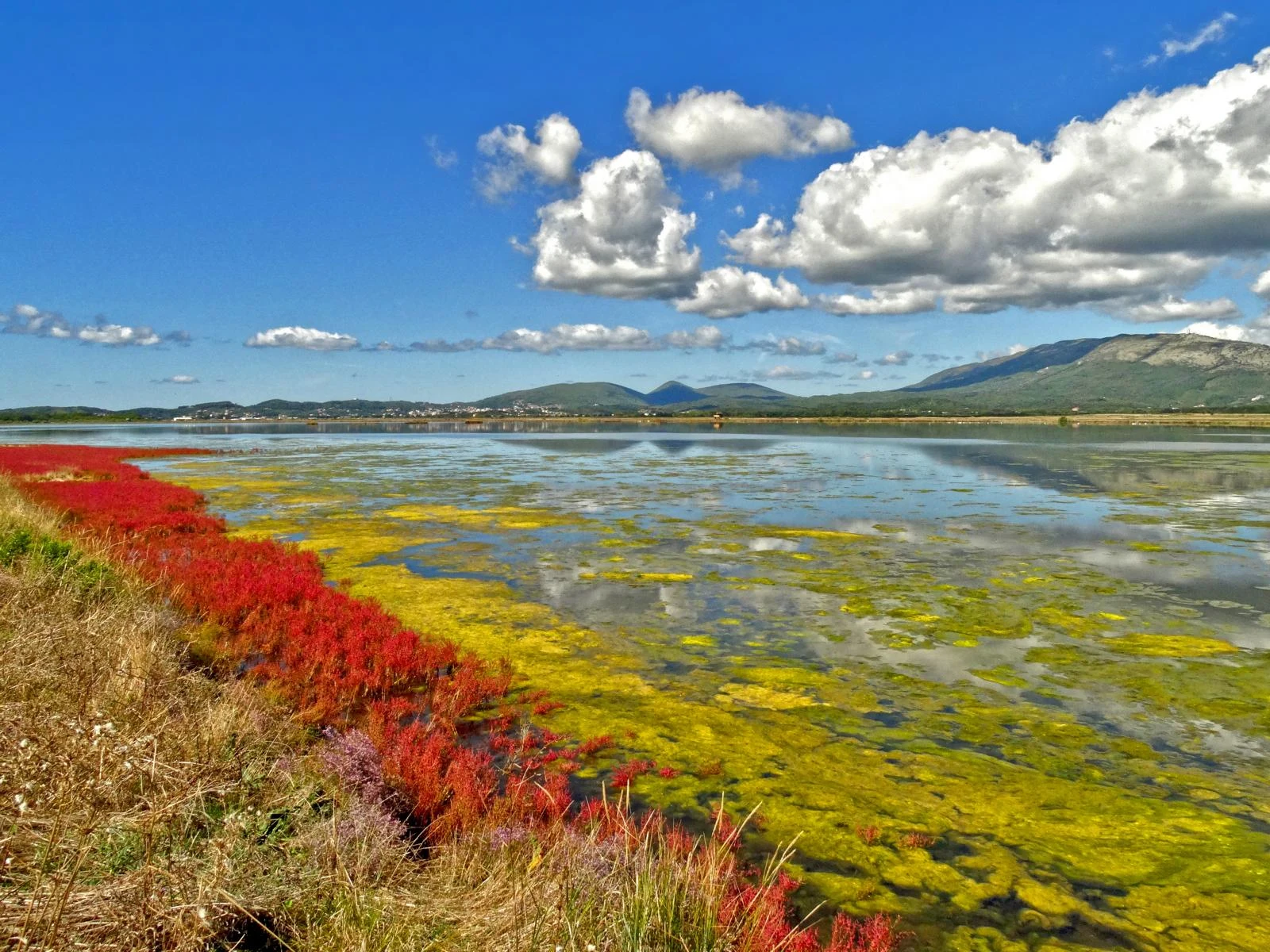
The European Commission’s current enlargement package arrives at a critical juncture for admitting new members from the Western Balkans. With Montenegro and Albania closest to membership, the credibility of environmental conditionality—linking accession to the implementation of EU laws and principles—is of particular importance in these two countries.
Progress Must Be Measurable
While there has been progress in aligning legal frameworks with the EU acquis, the decisive question is whether the enlargement process delivers measurable improvements for nature, governance, and the population, as required by Chapter 27 (Environment and Climate Change). This chapter assesses not only the alignment of environmental law with the EU framework but also its enforcement in practice.
Montenegro: Closing Chapters Must Not Leave Obligations Unmet
Montenegro has made significant progress under Chapter 27, including a proposed Natura 2000 network covering 50.97% of its territory and improvements in administrative structures. However, key obligations remain unfulfilled. The country must fully transpose the Birds and Habitats Directives into national law and ensure effective enforcement before accession. The proposed Natura 2000 network is still undergoing scientific review for potential deficiencies, and its management system is not yet fully functional. Additionally, the persistent pollution of the Zeta River by wastewater highlights that plans and EU-compliant legislation alone are insufficient to demonstrate the implementation of the Water Framework Directive.
Albania: The Commission Has Identified Problems; Now the Process Must Deliver
Negotiations on Cluster 4, including Chapter 27, began in September 2025. However, implementation gaps in fundamental environmental areas have led to a deterioration in nature protection. The Commission’s assessment is unusually clear: Albania must significantly improve its alignment with and implementation of the Environmental Impact Assessment (EIA) and Strategic Environmental Assessment (SEA) Directives. The quality of EIA remains inadequate, monitoring is weak, public participation is limited, and enforcement is insufficient. Political misconduct in the environmental sector has eroded public trust, turning environmental policy into a test case for the state of democracy.
EuroNatur’s Demands
EuroNatur calls on the EU to translate the findings of its own enlargement reports into clear, measurable Chapter 27 conditionality. For Montenegro, this includes full implementation of the Birds and Habitats Directives, zero tolerance for degradation of proposed Emerald and Natura 2000 sites, and effective management of the Ulcinj Saline. For Albania, EuroNatur urges the restoration of weakened protections by revising the 2024 Protected Areas Law amendments, repealing the Strategic Investments Law, and withdrawing the so-called “Mountain Package.” Both countries must ensure meaningful public participation, protect Emerald and future Natura 2000 sites before formal designation, and fully implement Recommendation No. 219 of the Bern Convention regarding the Vlora Airport and the Vjosa-Narta area.
EuroNatur
Press release content from EuroNatur, translated and formatted for this edition. · 2026-11-05