Research
Frugivores in three forests of French Guiana: what a six-month study recorded
A study published in 2026 compared frugivorous vertebrates in three sites in French Guiana. Its authors recorded differences between terrestrial and arboreal communities, but the brief sampling does not allow converting those results into a general rule.
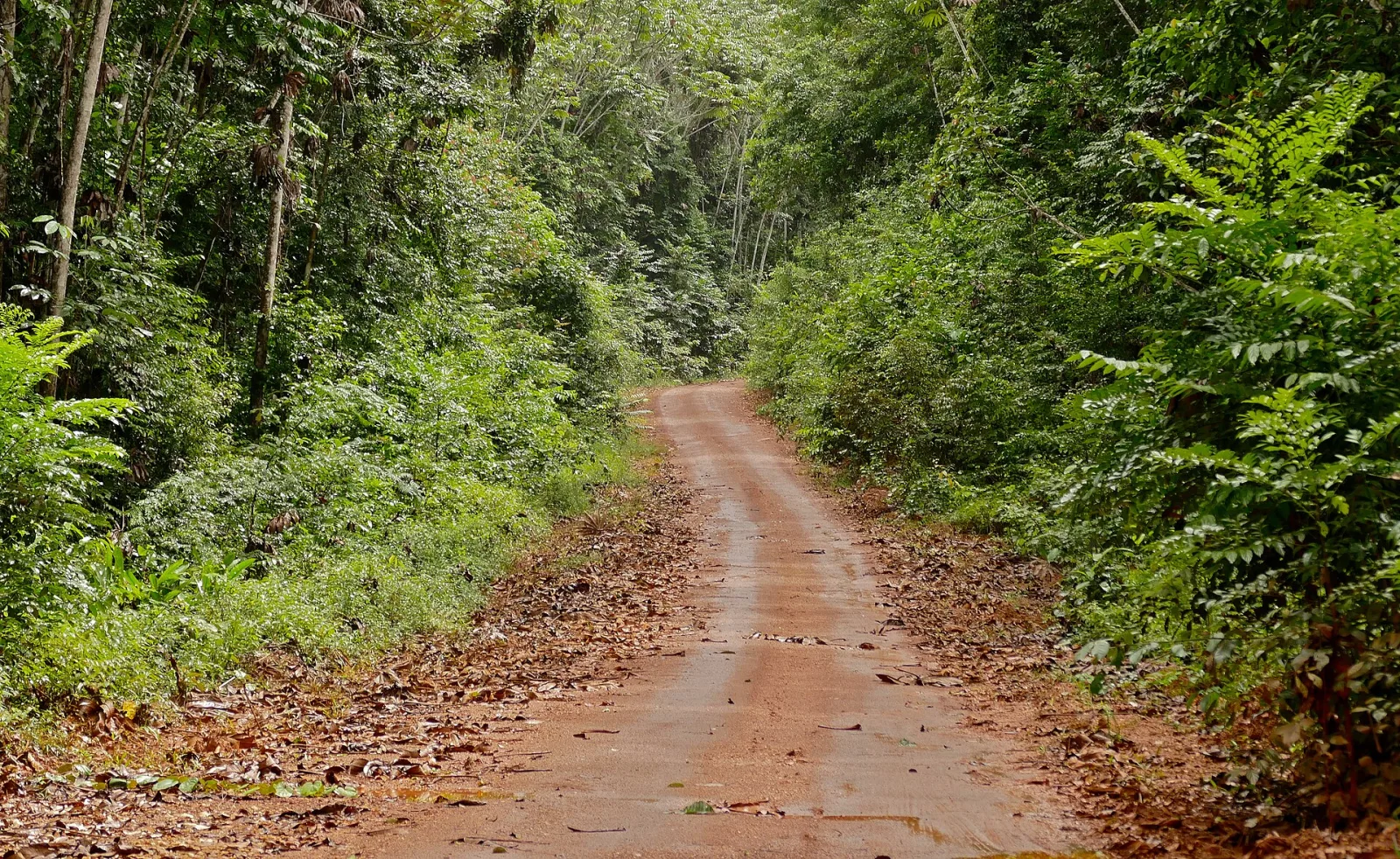
A comparison between three sites
The article “Arboreal and Terrestrial Frugivore Vertebrate Assemblage Diversity and Composition Vary With Disturbance Histories in Guianan Forests” was published on September 28, 2026. Its authors studied communities of vertebrates that consume fruits in three tropical forest sites in French Guiana, with different histories of human disturbance. The work distinguishes animals recorded on the ground from those observed in the canopy; its results describe those sites and that sampling, not a universal trend for Guianan forests.
Differences between ground and canopy
In terrestrial records, the visitation rate decreased from 232.5 ± 53.7 individuals per 100 trap-days in the protected site to 87.2 ± 11.2 in the most disturbed one. In the canopy, the authors described a community whose composition varied between sites: site identity, tree diameter, fruit availability, and canopy cover were significant predictors. They also noted that arboreal visits in the most disturbed site were strongly dominated by kinkajous.
What the data allow concluding
The study recorded differences in visits and in the composition of frugivore assemblages, but does not demonstrate that disturbance, by itself, caused those changes. The authors based their conclusions on six months of sampling in three sites; therefore, they presented the observations as preliminary and not as a definitive assessment of long-term population stability.