Explanation
How Roots and Mycorrhizal Fungi Relate
Mycorrhizal hyphae can extend the reach of roots in the soil; in return, the plant supplies glucose to the fungus. The available evidence describes this exchange in general terms, but does not allow its benefits to be measured or applied equally to all plants and environments.
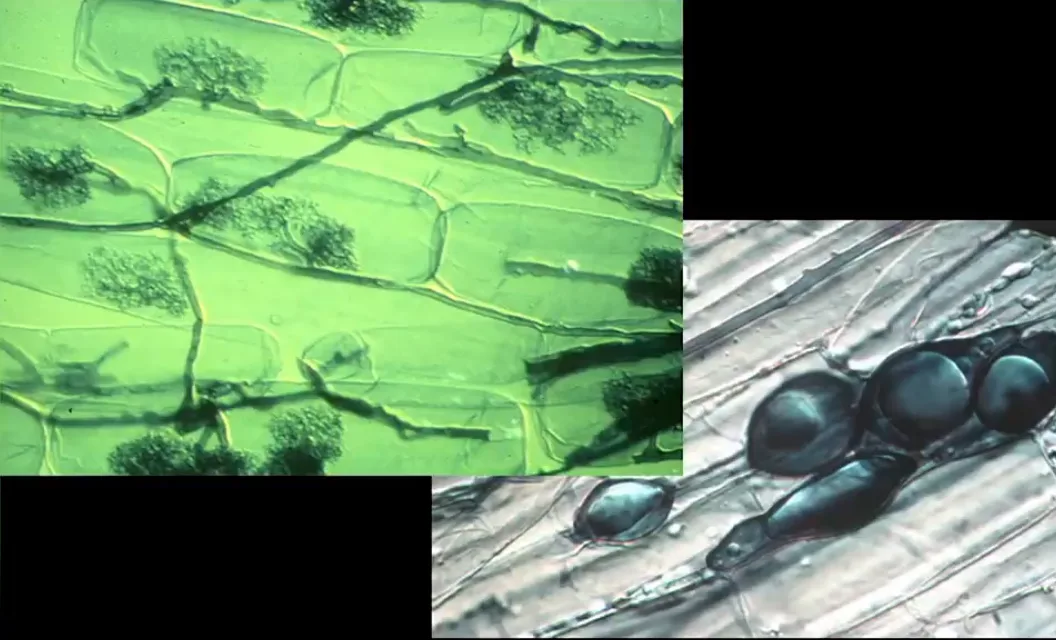
A Relationship That Extends Through the Soil
Mycorrhizae are associations between fungi and roots. According to a USDA summary, certain mycorrhizal fungi live inside and outside root cells and extend threadlike filaments called hyphae through the soil. These can act as extensions of the root system. This description offers a mechanism by which the fungus can explore soil beyond the root’s immediate contact; it does not specify which nutrients it obtains or how much their availability increases.
The Exchange: Soil Resources and Plant Carbon
The USDA source describes an exchange: hyphae help roots reach nutrients, while the plant supplies glucose to the fungus. The same source leaves open the possibility that it supplies other organic materials; it does not present this as an established fact in all cases. It is therefore more precise to describe this as an exchange relationship than as one-sided assistance.
Effects depend on context
The USDA description states that arbuscular mycorrhizal fungi colonise the roots of most crop plants and may support growth and stress resistance. That potential does not guarantee the same benefit for every plant, fungus, soil and set of conditions.
Sources and references View references Hide references 3
- What are mycorrhizal fungi? | Kew www.kew.org
- Getting to the Root of the Solution - AgResearch Magazine agresearchmag.ars.usda.gov
- Publication : USDA ARS www.ars.usda.gov