Explanation
How to photograph a landscape to show its habitat
A practical guide to framing landscapes with ecological context, using light and composition to show the relationship between the subject and its surroundings, without confusing the image with a scientific diagnosis.
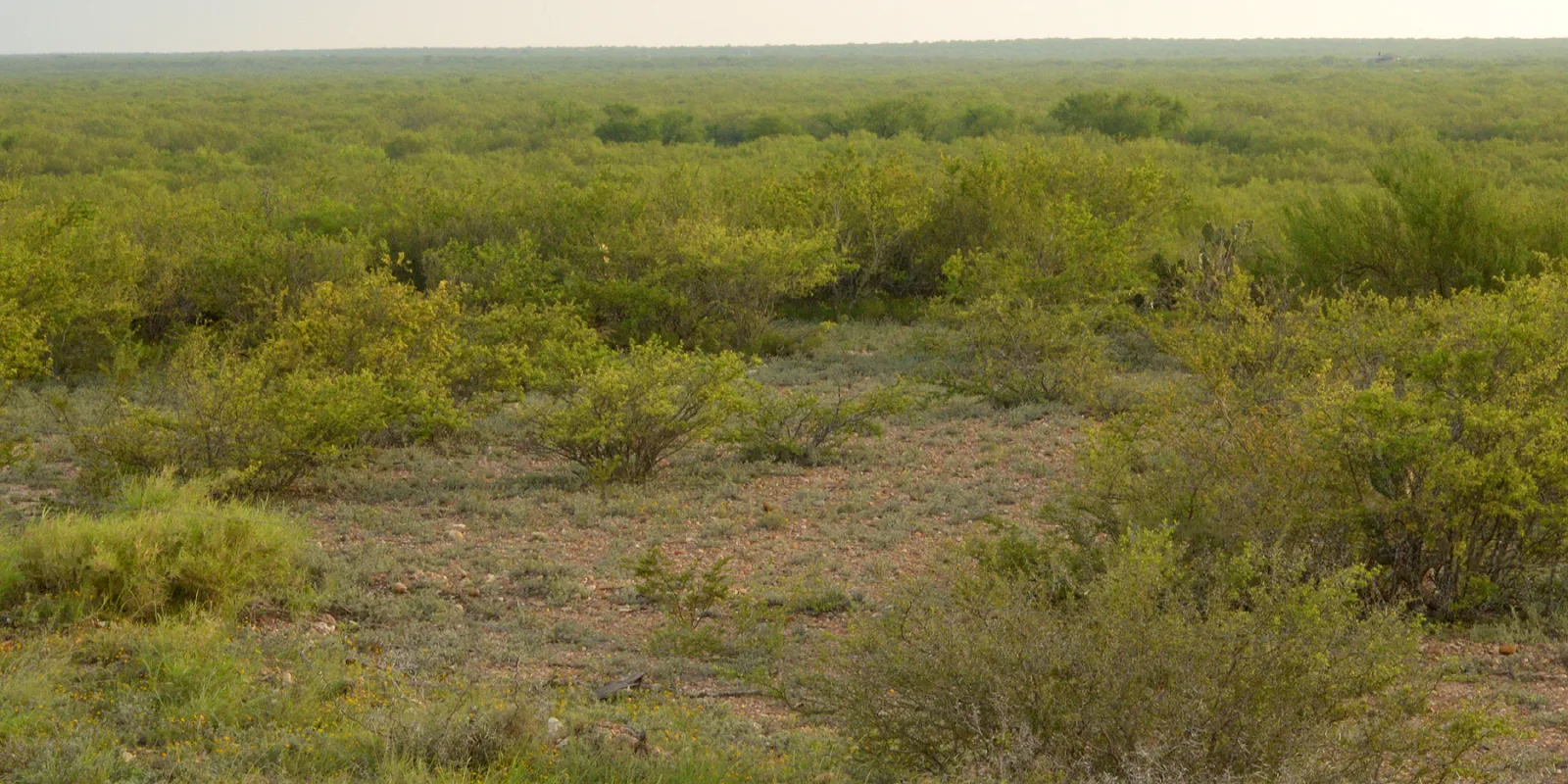
From landscape to framing: providing visual context
Photographing a landscape to show its habitat involves deciding which visual elements communicate the relationship between the main subject and its surroundings. It is not just about capturing the beauty of the place, but about including the details that allow the viewer to understand where they are and what type of environment surrounds them. Framing is the main tool to achieve this: by defining what enters and what remains outside the frame, the viewer's gaze is guided toward the elements that define the character of the place.
In practice, this means identifying a main subject and selecting foreground elements that provide depth and context. For example, in White Sands National Park, the National Park Service (NPS) suggests using foreground plants to add depth to the image of the dunes. However, the same guide warns that including too many mountains in the background can detract from the dunes, which are the main subject. This specific recommendation illustrates how composition must balance close detail with the distant landscape to maintain focus on the habitat being shown, without secondary elements distracting attention.
The choice of foreground elements is not arbitrary; it must serve to situate the viewer in space. A branch, a rock, or a plant at the edge of the frame can act as a visual anchor connecting the viewer with the broader landscape. This technique, known as the use of leading lines or creative framing, helps create a sense of immersion in the habitat. The NPS general photography guide recommends trying these techniques to improve the visual narrative of the image, remembering that photography is a way of recording the personal experience of a place.
Light as a revealer of the environment
Light does not only illuminate the landscape; it defines its atmosphere and reveals textures and shapes that would otherwise go unnoticed. To show a habitat, the quality of light is as important as composition. The golden light of early morning or late afternoon, known as the magic hour, tends to be warmer and softer, allowing the colors and shapes of the environment to be highlighted without the hard shadows of midday.
The U.S. Fish and Wildlife Service (FWS) points out that when the sun is low, the color of the light is warmer and favors the creation of images with greater emotional impact. In contrast, midday light, with the sun high up, creates hard shadows that can flatten the image and reduce the depth of the landscape. Therefore, to capture the essence of a habitat, it is preferable to photograph during the hours of soft light, when long shadows help define the structure of the terrain and vegetation.
In places like White Sands, changing light and shadows are an integral part of the landscape's appearance. The park guide describes the place as a paradise for photographers precisely because of the dynamic interaction between light and dunes. Taking advantage of these conditions not only improves the aesthetics of the photo but also helps convey the feeling of being in that specific environment, showing how light interacts with the natural elements of the habitat.
What the image shows and what it does not
It is fundamental to distinguish between what a photograph can show and what requires scientific information to be interpreted. An image can capture the visible structure of vegetation, the arrangement of elements, and the atmosphere of the place, but it cannot by itself explain the ecological causes behind those patterns.
The NPS, in its vegetation monitoring program for the Central Alaska Park Network, explains that vegetation patterns are controlled by physical factors such as topography, climate, substrate type, and disturbances, as well as by biological interactions such as herbivory. These factors determine why certain species grow in specific places and how environmental changes can affect the habitat. A photograph, by itself, cannot quantify these factors or establish causal relationships. It can serve as a visual record of a specific view, but it does not replace the scientific monitoring that measures the diversity, composition, and abundance of species to understand ecosystem health.
This distinction is crucial for the photographer: the image is an artistic and personal representation of the place, not an ecological diagnosis. While scientific monitoring seeks to establish baselines and predict changes, photography seeks to capture the experience and beauty of the moment. Both perspectives are valuable, but they fulfill different functions and should not be confused.
Composing without altering the place
The photographer's responsibility does not end with taking the image; it includes respect for the environment being documented. Composing a photo of a habitat requires moving through the place carefully to avoid altering the landscape or damaging the vegetation. In White Sands, the NPS recommends not removing vegetation elements to improve composition and warns about the risks of getting lost in the dunes, especially when searching for the perfect angle.
The park guide emphasizes the importance of planning the outing, using trail markers, and carrying a map and compass to avoid getting lost. It also recalls the principle of "leave only footprints and take only photos," which summarizes the ethics of photography in nature: enjoying the place without leaving a negative impact. In other contexts, such as wildlife refuges, the FWS underscores the importance of maintaining a safe and respectful distance from animals and not altering their habitat to get a better photo.
These practices not only protect the environment but also ensure that photography is a sustainable and respectful experience. By prioritizing the integrity of the habitat, the photographer contributes to the conservation of the place they seek to show, ensuring that future generations can also enjoy it.
Sources and references View references Hide references 4
- Vegetation Structure and Composition www.nps.gov
- Beginner’s Photography Guide National Park Service
- Photography - White Sands National Park National Park Service · landscape depth and foreground plants
- Tips for Great Photos US Fish and Wildlife Service · photographic scenes and composition
See and listen
Images, sounds and scenes
Resources that complement the information, with their origins and reuse conditions.
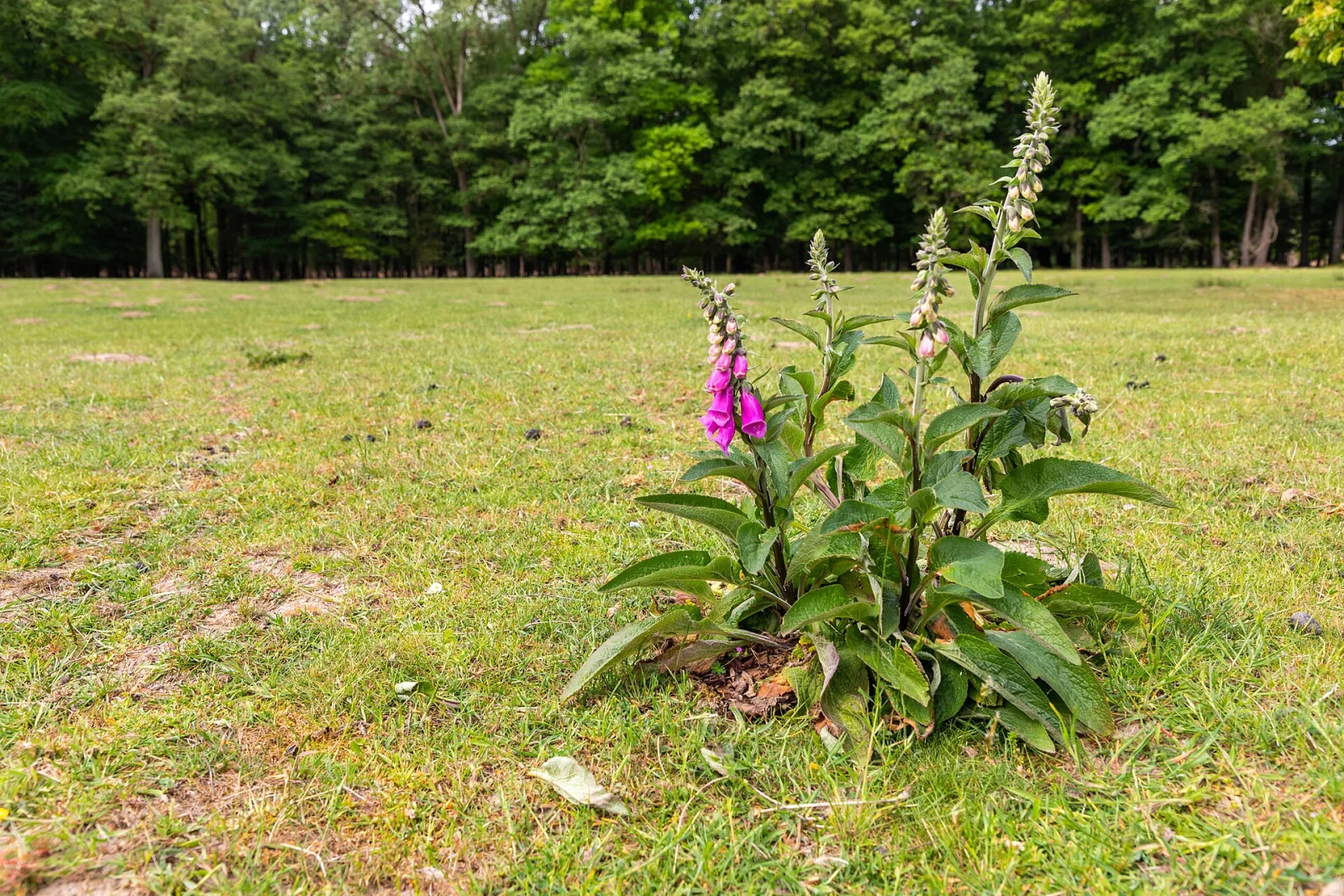
A flowering plant in the foreground, with grassland and trees behind, at Dülmen Wildpark, Germany.