Observation-guide
Morphology of the floral receptacle in Asteraceae: a guide to observing capitula
An observation guide to receptacle structure and the organization of flowers in Asteraceae capitula, based on descriptive botanical terminology.
The receptacle as the floral axis
In the angiosperm flower, the floral parts are arranged around a specialized stem whose insertion region is called the receptacle, floral axis, or thalamus. This axis can have various morphologies: it may continue the stem, expand into a plate or head shape, or become a concavity, as occurs in flowers with an inferior ovary. The shape of the receptacle, together with the position and number of the floral parts inserted in it, is a fundamental trait in taxonomic descriptions and in the construction of identification keys, since these are quick and economical data to collect and require little or no special technique.
The capitulum as a pseudanthium
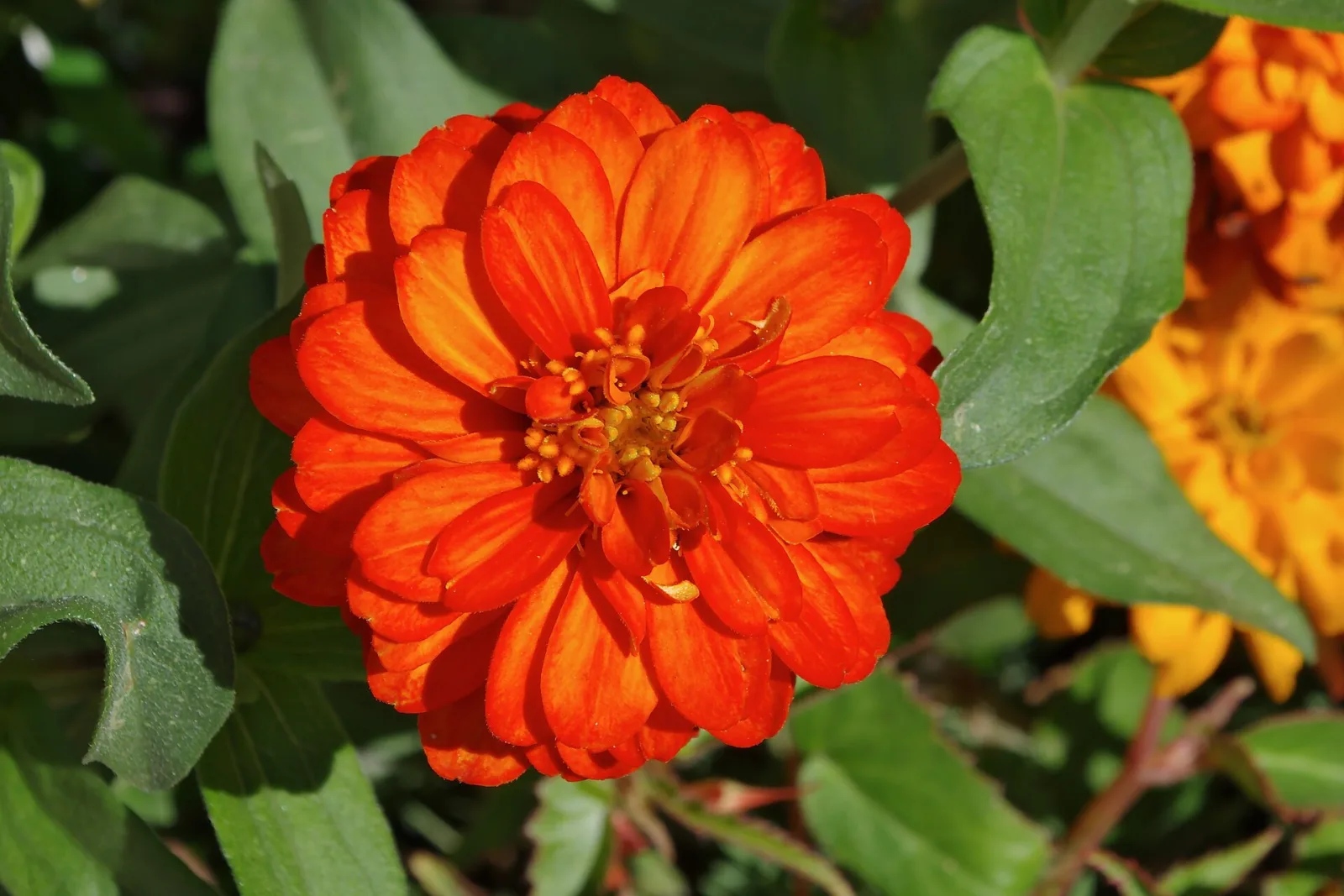
In the family Asteraceae, the capitulum or head is defined as a specific form of receptacle with an involucre beneath it. Botanically, this structure is classified as a pseudanthium, a term for a unit that appears to be a single flower but typically consists of two or more flowers functioning as a single floral syndrome. Pseudanthia may occur as heads, as in Asteraceae, or as spadices, as in Araceae. This organization allows multiple individual flowers to function in an integrated manner, distinguishing them from true flowers, or euanthia.
Arrangement of floral parts
The arrangement of floral parts on the receptacle varies according to the family considered. In a spiral arrangement, the parts are inserted consecutively at different levels, describing a spiral along the axis. In a whorled or cyclic arrangement, the parts are inserted at several nodes of the axis and arranged in whorls or cycles, with each floral part in one whorl alternating with the parts of the next. The order in which the parts are arranged on the floral axis never varies, although a part may be absent, and the axis is always determinate—that is, it exhausts its growth after producing the last floral part.
Observable traits in the perianth
In Asteraceae, the reduction of the perianth parts is notable. The sepals, which form the calyx, may be reduced to structures such as teeth or bristles that constitute the pappus or papilla. This modification is a distinctive trait of the family, unlike in other families where the calyx may be ephemeral, deciduous, or persistent. The corolla, formed by the petals, is the inner whorl of the perianth surrounding the fertile parts and generally has parts that are larger and more colorful than those of the calyx.
Sources and references View references Hide references 3
- Morfología floral es.wikipedia.org
- Terminología descriptiva de las plantas es.wikipedia.org
- Морфологија цвета sr.wikipedia.org