Explanation
Natterjack toad in Doñana: why it sings by the temporary pools
Rainfall activates the nocturnal choruses, but the duration of the water conditions whether the tadpoles manage to complete their development.
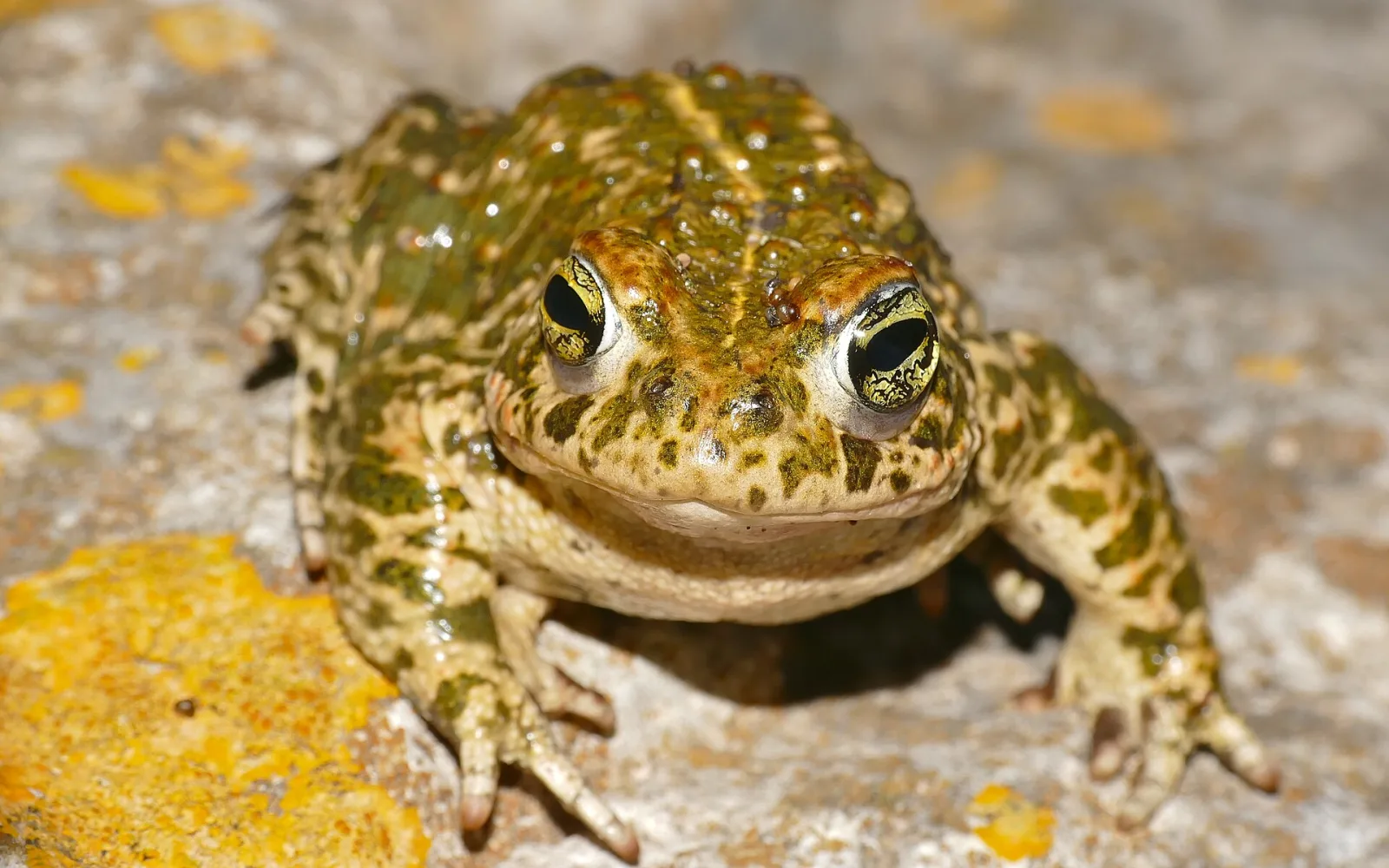
A resident of Doñana and temporary waters
The natterjack toad (Epidalea calamita, also cited in previous sources as Bufo calamita) is part of the amphibians recorded in the Doñana National Park. The species uses different habitats, but for reproduction it depends on pools and other water points, often temporary and shallow. The relationship between calling and pools begins with the arrival of males to these places to call the females.
A nocturnal chorus after the rains
The reproductive period is not continuous and is strongly associated with rainfall episodes; its calendar also varies with latitude and altitude. In the southern part of the Iberian Peninsula, egg-laying can occur after the first autumn rains or at the beginning of winter, with a frequent peak between January and early March. In contrast, in the northern half, reproduction usually occurs later, between February and early June. These regional patterns do not set an exact calendar for Doñana each year.
After a drought followed by rain, males can quickly move to the pools: large choruses can form within a couple of days. They sing at night, from the shore or shallow areas, generally upright; activity usually reaches its maximum between two and three hours after dusk. The call is described as a prolonged sound, similar to that of a cricket. Its intensity and characteristics vary, among other factors, with the size of the male and the environmental and social conditions.
The pool offers an opportunity and poses a risk
Calling allows males to attract females to the breeding site, but it does not by itself prove that egg-laying has occurred or that the larvae survive. Eggs and tadpoles develop in water bodies that can be very ephemeral. The duration of the larval period depends on environmental conditions, and the drying up of the pool can cause mortality. Therefore, a water point being temporary can favor reproduction, but also make it vulnerable to the water disappearing before development is complete.
What was done in the reed beds of Doñana
In 2019, the PIMA Adapta program documented actions in the reed beds of the Las Marismillas estate, described as important water points for amphibians. The work included manually removing accumulated silt and restoring the profile of those reed beds that needed it, reducing their slope to facilitate access for amphibians. The action aimed to conserve aquatic habitats; the documentation does not present it as a measurement of calling or as a specific evaluation of the reproductive results of the natterjack toad.
Sources and references View references Hide references 3
- Restauración y creación de hábitats para anfibios en Doñana www.miteco.gob.es
- Sapo corredor - Epidalea calamita - Reproducción www.vertebradosibericos.org
- Bufo calamita (Laurenti, 1768). Sapo corredor www.miteco.gob.es