Observation-guide
Petals, Stamens, and Fruits: Clues for Reading a Flower Without Picking It
A descriptive observation guide: record parts, shape, color, and fruits without turning an isolated feature into a local identification or proof of a pollinator visit.
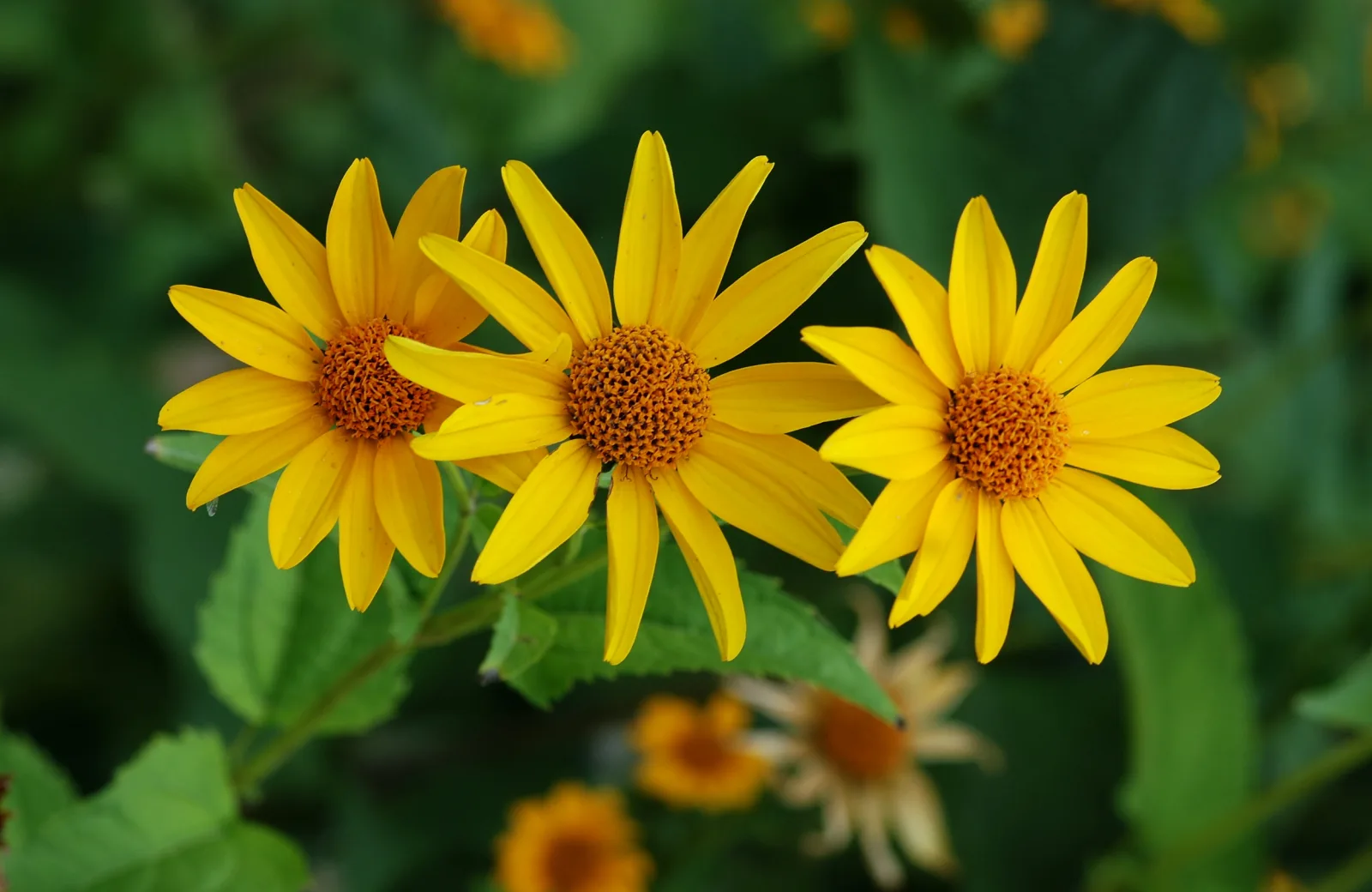
Scope: Describe Before Identifying
This guide proposes looking at and describing structures, not assigning species names. This guide is not a regional identification key; resemblance alone is not enough to say which species is in front of you. Keep three things separate: what you observe, the explanation offered by sources, and any hypothesis that would still need verification.
What to Look for in a Flower
Start with features you can point to: petals, stamens, and the pistil. Note how many you can distinguish, how they are arranged, and the flower’s general shape, without assuming that all flowers show the same parts with equal clarity. The RHS guide presents these terms and relates the stamen to the anther and the pistil to the stigma in the transfer of pollen; they are descriptive terms, not a species key.
Color and Shape: Observation and Explanation
Record color and outline as observations; do not infer from them alone the cause of the color or a particular visitor. As a limited example of an explanation, a study of four poppy species examined their optical properties and linked their vivid colors to dense pigmentation and light scattering in thin petals. That finding applies to the species studied; it does not demonstrate the mechanism in any flower that merely looks similar.
For Fruits, Record Only What You Can See
If fruits are present, describe their color, shape, and visible context, and note that they are present on the observed plant. An RHS autumn guide includes flowers and fruits among the features that can be described by color, shape, and growing conditions. This guide is not a fruit identification key. Do not fill in the connection between a particular fruit and flower as though you had observed it.
Prepare and Take Notes Without Picking
Before approaching, prepare a page for a drawing and simple labels: flower, petals, stamens, pistil, and, if present, fruit. First draw the overall arrangement, then add visible details; accompany the sketch with notes on color, shape, and environmental conditions you can observe. The RHS proposes exploring flowers and labeling a drawing; Kew describes educational activities that use magnification and dissection. This guide chooses visual recording without picking the flower.
Common Misunderstandings and Responsible Conduct
A striking feature is not the same as an identification: several flowers can share colors or shapes, and a flower’s shape does not confirm which pollinator was present. The RHS notes, in general terms, that different pollinators prefer different shapes; this does not prove a visit in a particular case. Treat that relationship as a general explanation, not a field conclusion. Observe without disturbing the plant, and leave unresolved anything the record cannot verify.
Sources and references View references Hide references 6
- Science focus: Parts of Flowering Plants / RHS www.rhs.org.uk
- Flower shape identification guide / RHS www.rhs.org.uk
- Draw parts of a flower / RHS www.rhs.org.uk
- Autumn flowers and fruit identification guide / RHS www.rhs.org.uk
See and listen
Images, sounds and scenes
Resources that complement the information, with their origins and reuse conditions.
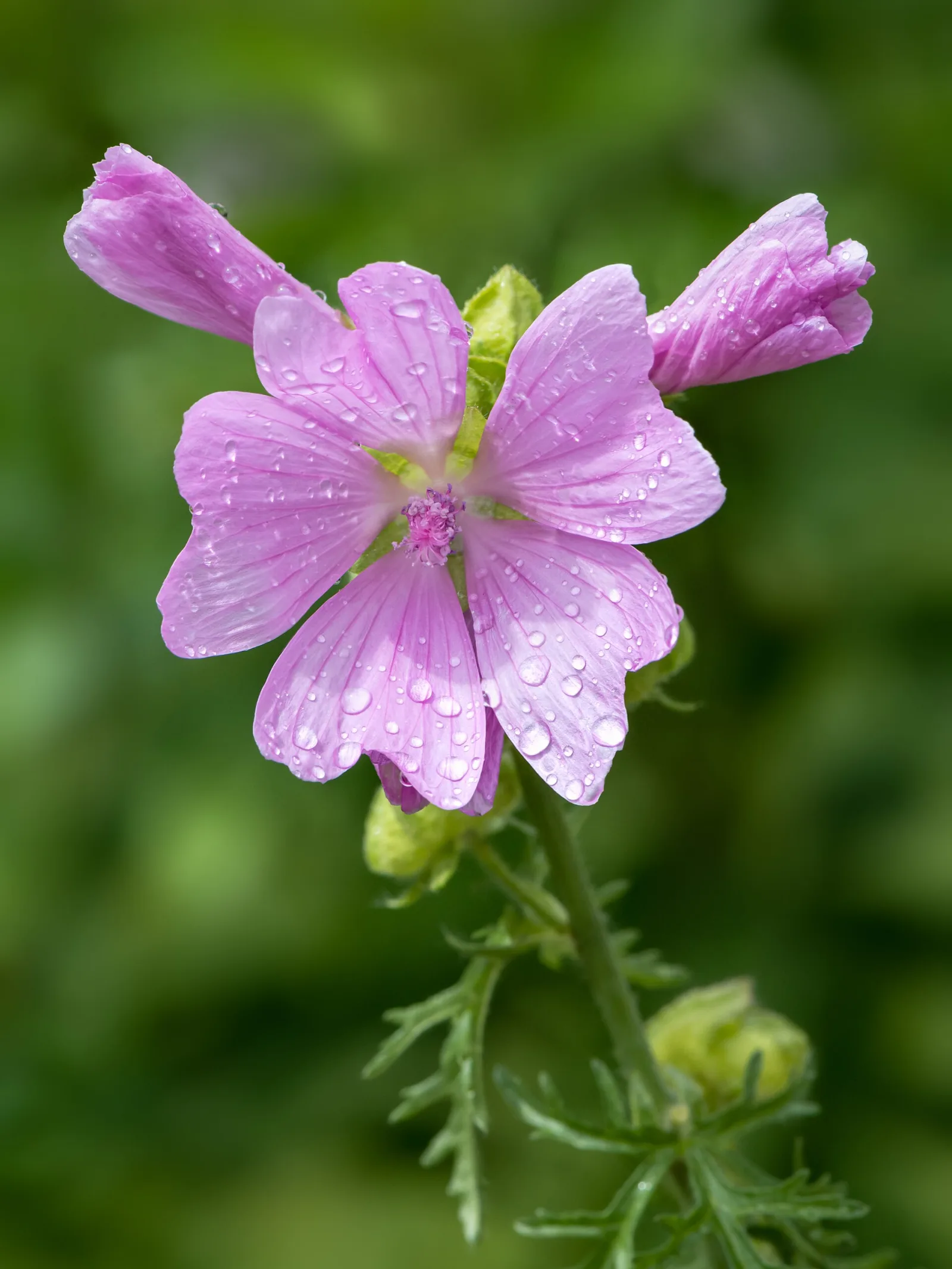
Documentary photograph: Petals, Stamens, and Fruits: Clues for Reading a Flower Without Picking It