Explanation
Photographing birds from a distance: more observation, less pressure
A camera is no reason to get closer: observing quietly, using a telephoto lens and paying attention to a bird’s behavior help keep photography secondary to its welfare.
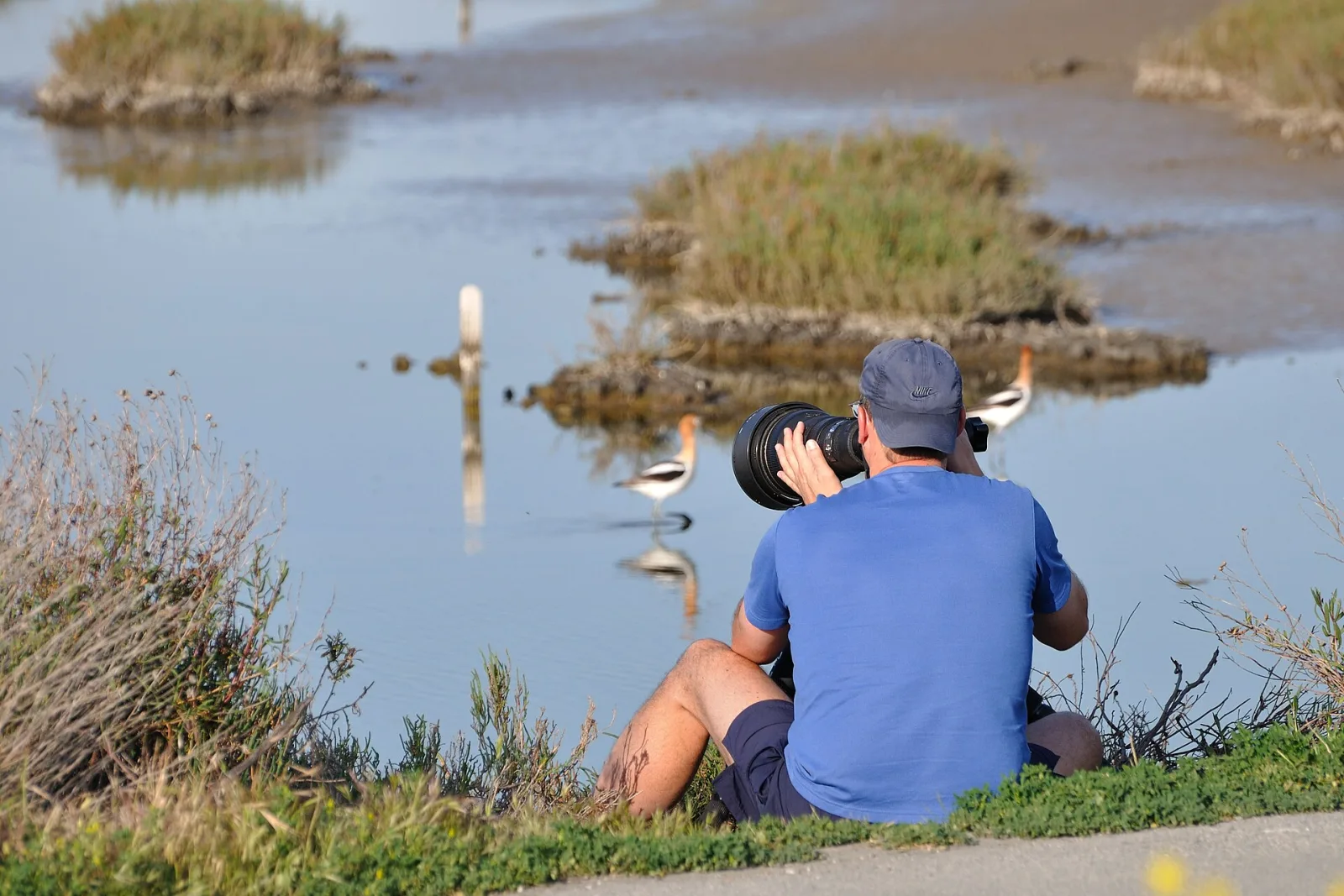
The bird’s behavior sets the limit
Photography must take second place to the animal’s welfare. The U.S. National Park Service recommends following each park’s rules on distance and approaching wildlife, and reminds visitors that the animal matters more than the image. If a bird reacts to your presence, you are too close: move away instead of trying to get the shot.
Bring the image closer without approaching the bird
Binoculars and telephoto lenses let you observe details and natural activity from farther away. At San Juan Island National Historical Park, the National Park Service says to keep 75 feet from wildlife; that is a rule for that park, not a universal distance for photographing birds. Check the current rules at the place you visit.
Stillness and patience are useful tools, too
The National Park Service advises staying quiet and still, because noise and sudden movements can threaten wildlife. It also suggests planning an outing for dawn or dusk, when wildlife is usually more active. A safe surface can help stabilize a camera; the guide mentions the car as shelter and support from which to observe at a distance, always parking safely.
Take extra care when there is a nest
If a bird nests beside a home, All About Birds recommends minimizing disturbance: keep a respectful distance, limit foot traffic and, if possible, avoid frequent use of the area near the nest. The source notes that the nesting cycle of most passerines lasts about four weeks from egg-laying until the young leave the nest; this is a general reference, not a timetable for every species.
A photo should not change the scene
The aim is to record the bird’s natural activity, not to provoke a response for the camera. If people’s presence changes its behavior, increase your distance and stop photographing. In protected areas, follow signs and local rules: no photograph is more important than the space wildlife needs to rest, feed or raise young.
Sources and references View references Hide references 4
- There's a bird nesting near my house. What should I do? www.allaboutbirds.org
- Ethical Wildlife Viewing - San Juan Island www.nps.gov
- Bird Photography Pro Tips National Park Service
- How To Photograph Wildlife National Park Service