Observation-guide
Wall geckos: observing at dusk
The Moorish gecko uses walls and buildings. Its activity patterns help plan a night-time record without lighting it up or attributing effects to artificial light.
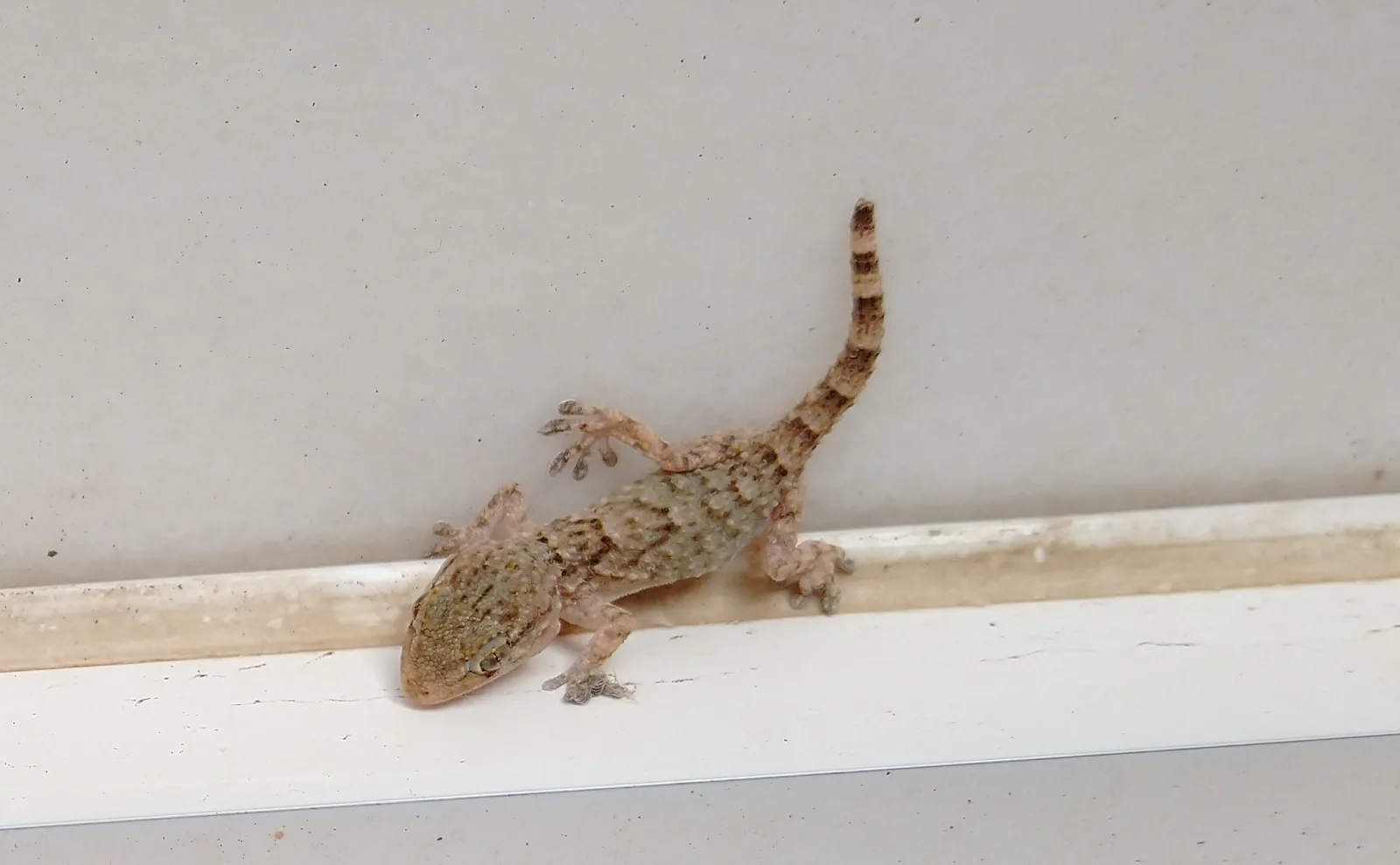
A neighbour in built environments
The Moorish gecko, Tarentola mauritanica, also lives in human structures. The Spanish National Museum of Natural Sciences lists walls and buildings in rural areas, towns and cities, alongside rocky ground. The same scientific name appears in NCBI taxonomy record 8569.
MITECO includes stone walls and buildings among its habitats and describes predominantly nocturnal habits, although it can also be active by day. A wall is therefore a setting in which to look for observations, not a guarantee of finding a gecko every night.
Changes through the day and year
The museum account describes geckos leaving shelters at dusk and remaining active during the first hours of the night. It also reports that they generally bask early in the day and then spend much of the day beneath rocks or between stones. Observation time matters, but these patterns do not establish a universal timetable.
The same reference describes spring and summer activity in inland Iberia, with autumn and winter activity too in warmer Mediterranean regions. This regional variation does not justify assigning an identical calendar to every city.
Recording without disturbance
If you see a gecko from a public space, note the date, approximate time and whether it was still or moving. Describe the surface and existing ambient light in general terms; do not add lighting, handle it or approach its shelter. Avoid publishing precise addresses.
These are recording suggestions, not experimental results. The references describe activity and habitat but do not establish the effect of urban lighting: comparing your notes may raise questions, not prove a cause on its own. A silhouette on a wall is not enough to identify a species either.
Sources and references View references Hide references 3
- Salamanquesa común (Tarentola mauretanica) www.miteco.gob.es
- Salamanquesa común — Tarentola mauritanica (CSIC/MNCN) www.vertebradosibericos.org
- NCBI Taxonomy 8569: Tarentola mauritanica NCBI / NLM