Questions-and-answers
What distinguishes a floral visit from pollination
An animal may visit a flower for a reward without transferring pollen. The decisive difference is whether pollen actually reaches the stigma from the anthers; seeing a visit alone does not prove that this happened.
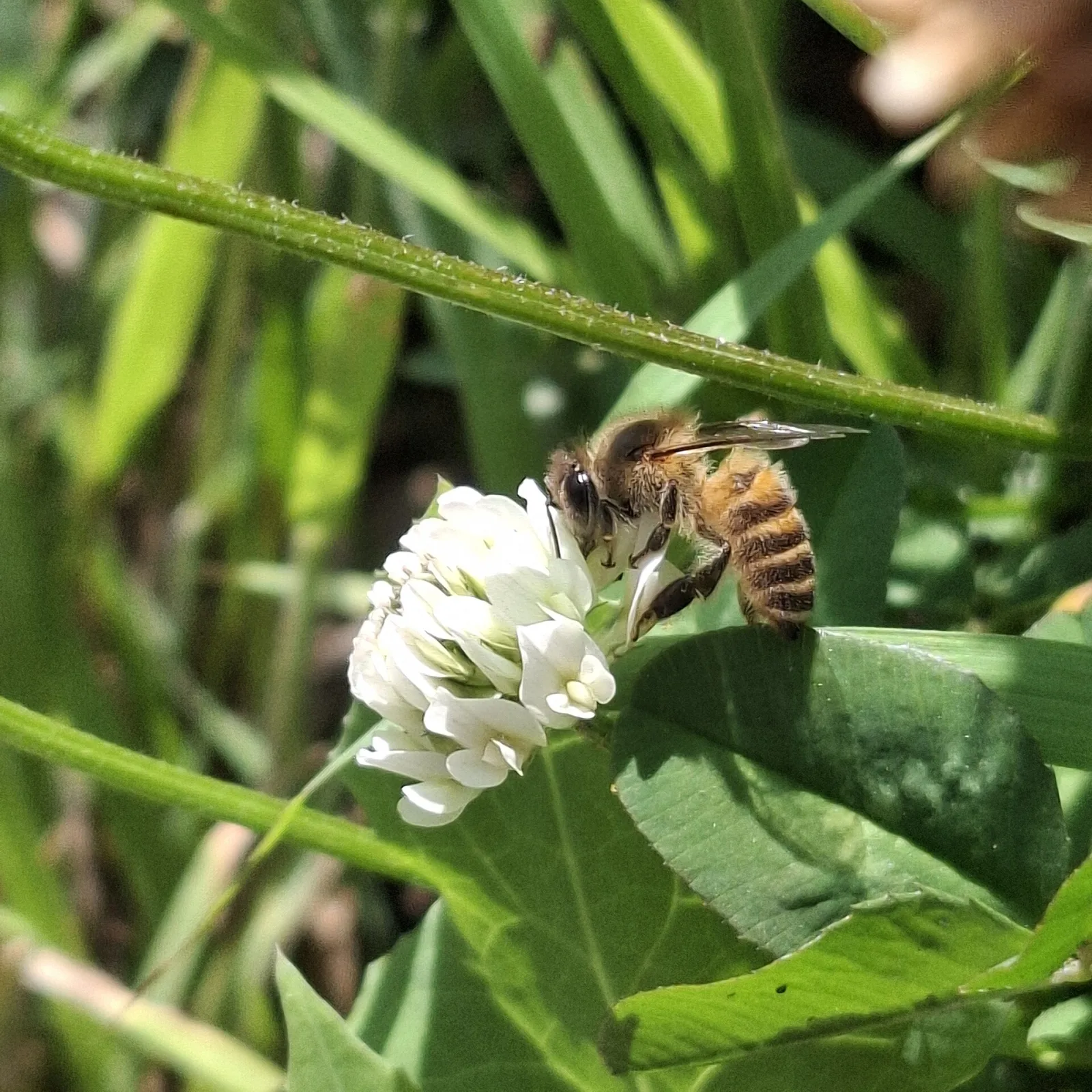
When does a floral visit count as pollination?
A floral visitor is an animal that arrives at or feeds on a flower. To be considered a pollinator of a plant species, it must transfer pollen from the anthers to the stigma of a flower of that same species. This transfer can take place within one flower or between flowers, and can be completed during one visit or over successive visits. That is why “floral visitor” and “pollinator” are not interchangeable terms: the latter implies an actual transfer.
Is it enough for the animal to touch the flower?
No. Contact with the anthers may cause pollen to stick to the animal’s body, but that does not prove that it later reached a stigma. Some animals obtain nectar, pollen, or another reward without transferring pollen effectively; the UBA Faculty of Agronomy describes them as floral-resource thieves or robbers. The distinction depends on what happens to the pollen, not merely on the animal’s presence or its having touched the flower.
What can be concluded by observing a visit?
You can record that an animal visited a flower and describe its visible behavior, such as whether it sought nectar or pollen. That is not enough to claim that pollen reached the stigma. The UBA source notes that the animal must contact the anthers or stigmas in a way that allows pollen to be deposited and then transferred, during the same visit or subsequent ones. Observing a visit, without evidence of that transfer, does not by itself allow the animal to be classified as a pollinator of that plant.
What roles do a flower’s shape and rewards play?
Nectar and pollen are common rewards, and some animals seek them as food. The location of the nectar can influence how a visitor interacts with a flower: for example, in a tubular flower visited by hummingbirds, inserting the beak and tongue to drink nectar may cause the bird to contact the reproductive parts. But this opportunity for contact does not by itself prove that the transfer was completed.
Can a flower’s shape identify its pollinator?
Shape, color, opening time, and reward can be associated with certain groups of visitors; this set of traits is called a floral syndrome. It can help interpret possible interactions, but it is not conclusive proof of which animal pollinated a particular flower. The UBA cautions that hummingbirds also visit other types of flowers and that other animals may visit flowers associated with them. Actual transfer remains the decisive criterion.
Does pollination mean there will be seeds or fruit?
Pollination is the transfer of pollen from the anther to the stigma. Fertilization and the formation of seeds and fruit are subsequent reproductive outcomes; they are not demonstrated simply by observing a visit. Even observing pollen transfer does not, by itself, amount to confirming all of these outcomes.
Sources and references View references Hide references 2
- Polinización www.biodiversidad.gob.mx
- Visitantes Florales de la FAUBA | Facultad de Agronomía - UBA www.agro.uba.ar