Observation-guide
What to Record During a Tree’s Fruiting Period
Note when and where you observe the tree, which part you are monitoring, and whether it has fruit; if you can count consistently, record the quantity too. Repeated observations can describe changes in that tree, but a record alone does not establish a universal calendar or a conclusion about climate.
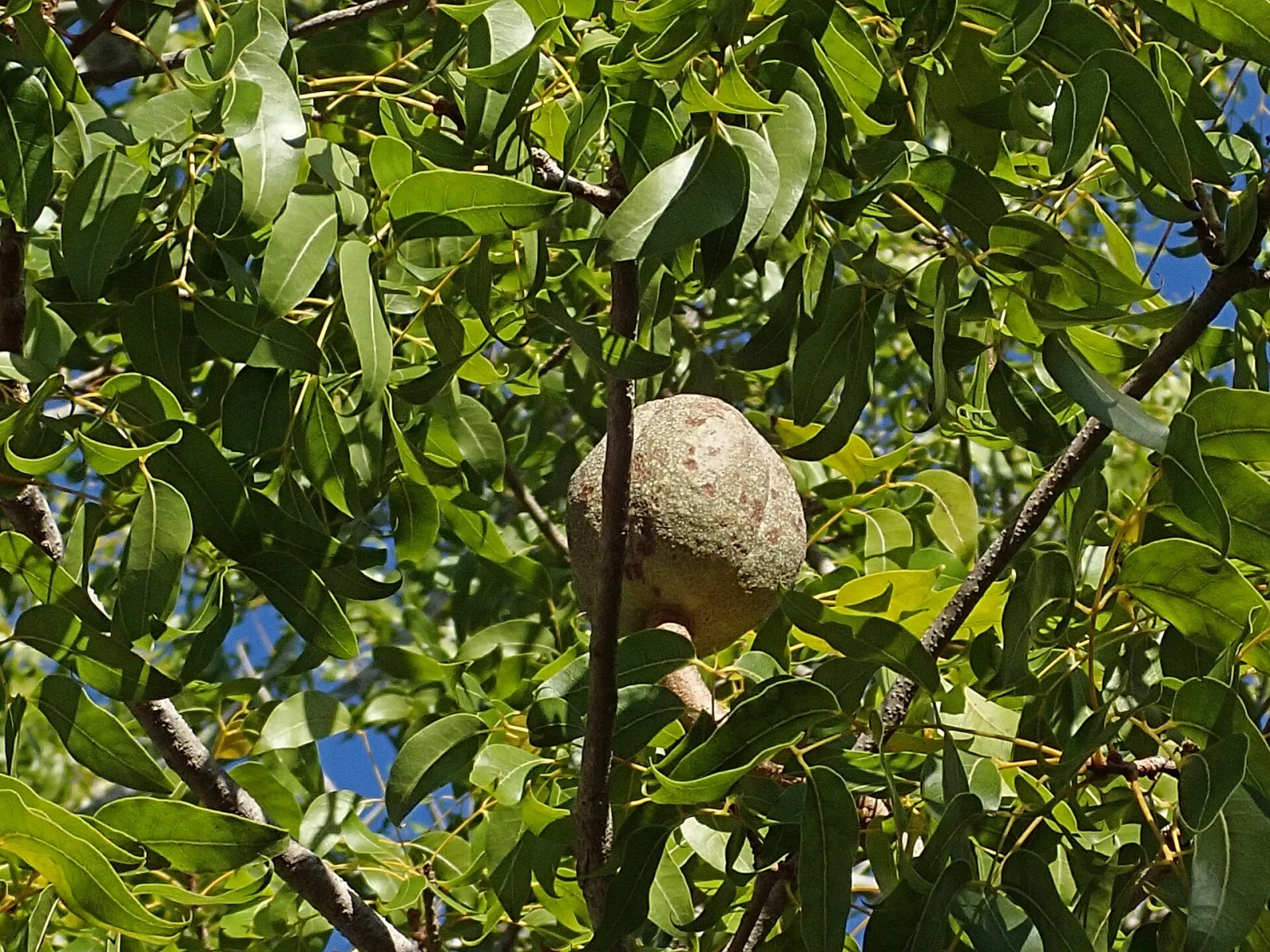
Before you begin: record the context
Choose a tree you can recognize on later visits and note the date, place, habitat, and observer. If you cannot identify the species with confidence, record the uncertainty rather than assigning it a name. These details help interpret and compare records; herbarium labels also commonly include collector, locality, date, and habitat.
What to observe: presence and quantity
Note whether visible fruit is present and, if you can count consistently, how many appear on the branch or unit you are monitoring. Keep records of fruit, flowers, and leaves separate. In a study of nine tree species in a tropical dry forest in India, researchers made monthly counts of these three elements on tagged twigs from ten individuals per species.
How to repeat the record
On later visits, try to observe the same part of the crown and note which branch or unit you followed. This lets you compare your records without confusing a change in the observation point with a change in the tree. The Indian study is an example of a monitoring method—monthly counts on marked twigs—not a required frequency for all places or species.
Distinguish the phases and avoid predicting dates
Record fruit, flowers, and leaves separately. Seeing flowers or buds does not show that fruit is already present; a single observation also cannot establish when fruit will appear. Among the species studied in India, the timing between the onset of vegetative and reproductive phases varied widely; the authors recorded intervals of less than one month to more than eight months between the first leaf bud and the first visible flower.
Describe first; interpret cautiously
Separate what you saw—for example, fruit presence or counts—from any explanation of its causes. The cited phenology studies used repeated observations or historical photographs; for example, a study of two páramo species in Los Nevados National Natural Park related their phases to climatic variables. A single field record describes one visit but is not enough to demonstrate a climate trend.
Scope of the examples
The monthly counts described here come from a tropical dry forest in India, while the study using historical photographs examined two páramo species in Los Nevados. These are examples involving different methods and organisms, not calendars that can be transferred to other trees or regions. To identify local changes, compare repeated observations of the same tree and retain the dates and observed units.
Sources and references View references Hide references 3
- Herbario es.wikipedia.org
- Diversity of Flowering and Fruiting Phenology of Trees in a ... pmc.ncbi.nlm.nih.gov
See and listen
Images, sounds and scenes
Resources that complement the information, with their origins and reuse conditions.
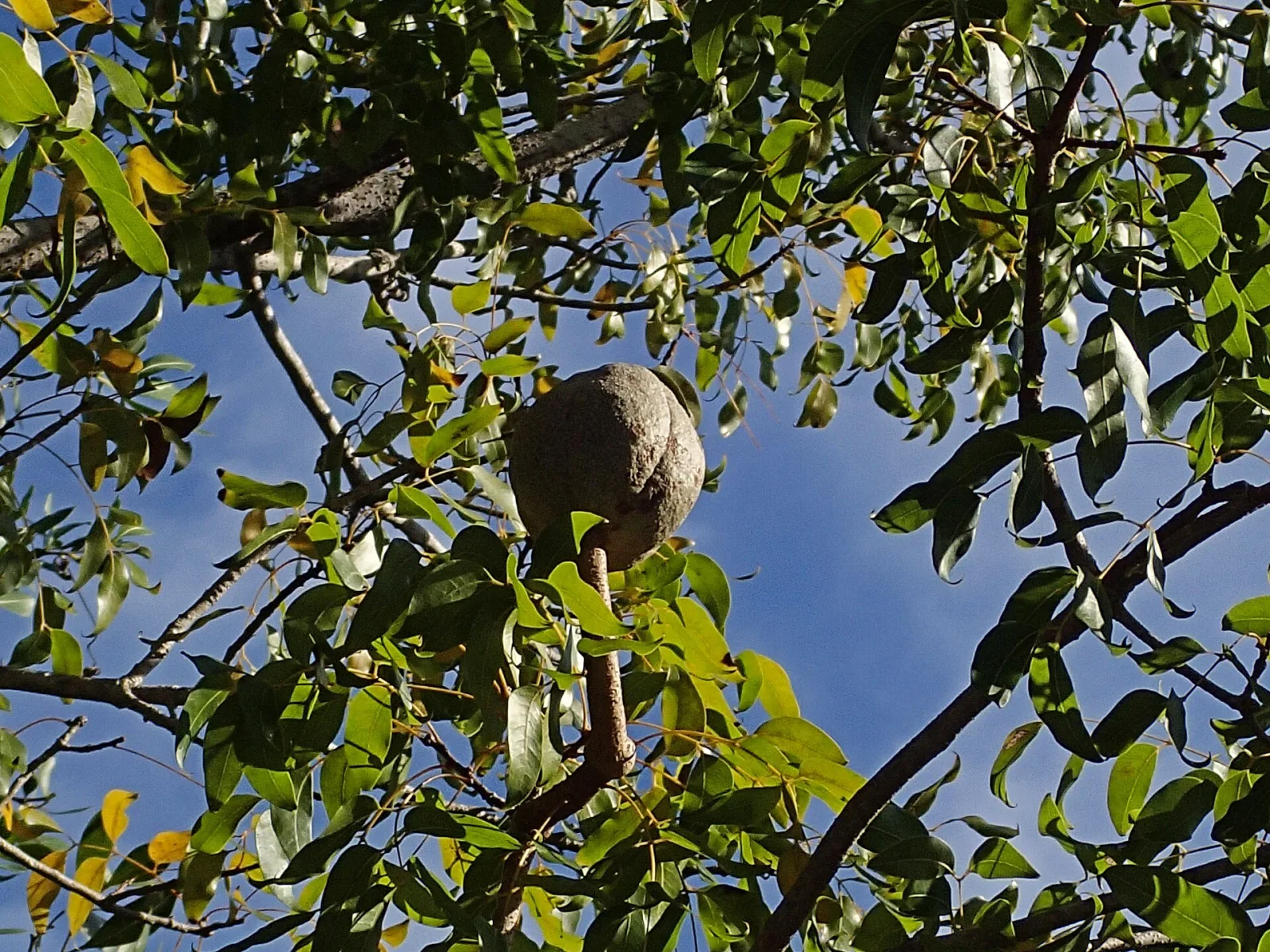
Documentary photograph: What to Record During a Tree’s Fruiting
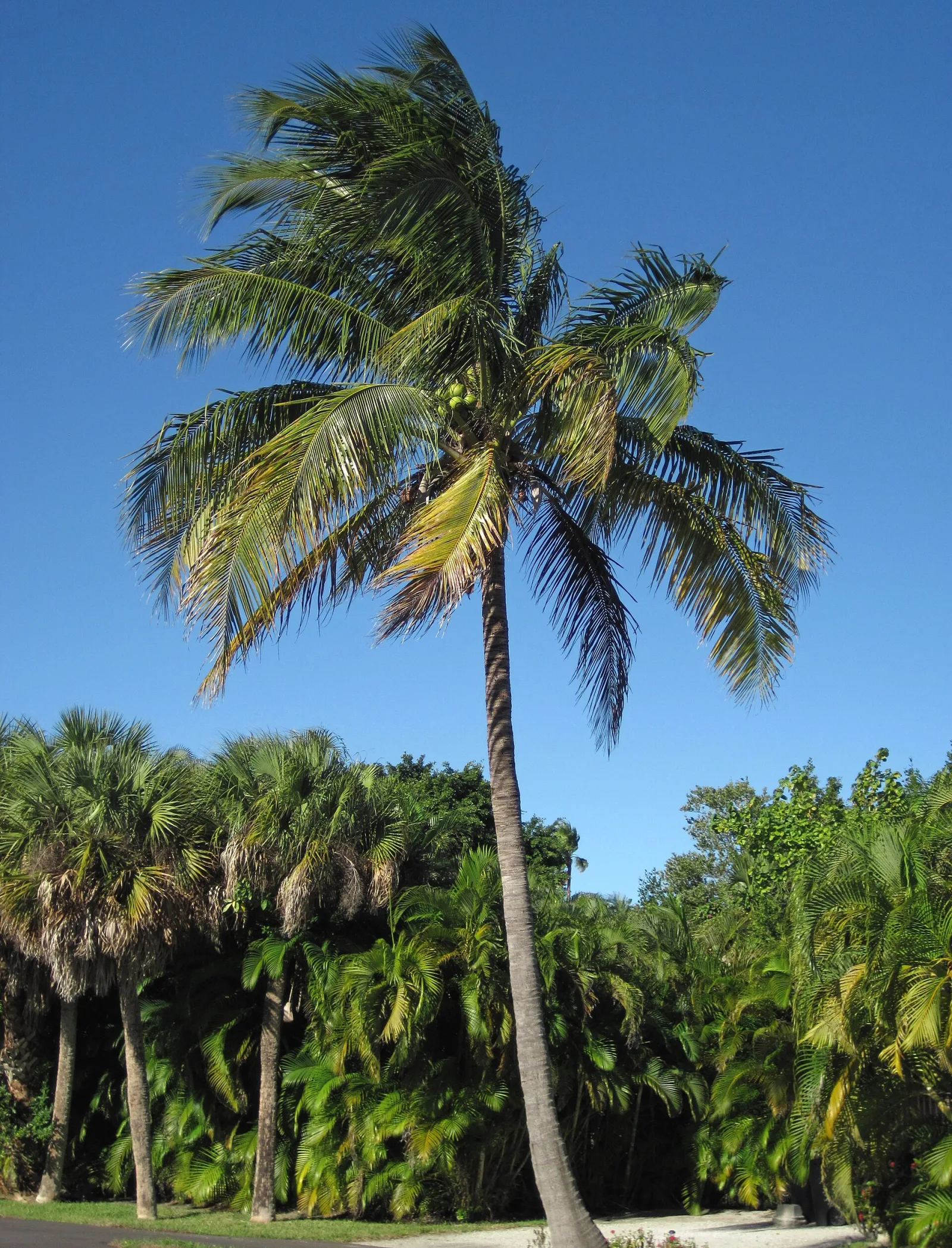
Documentary photograph: What to Record During a Tree’s Fruiting