Wildlife watching and photography · 2 min
What makes a biodiversity observation useful?
A species name does not tell the whole story. Place, date and method help explain what was recorded and connect it with later visits.
Outdoor interests and nature
Watch, recognise and document wildlife and landscapes without disturbing them.
Wildlife watching and photography · 2 min
A species name does not tell the whole story. Place, date and method help explain what was recorded and connect it with later visits.
Wildlife watching and photography · 2 min
A zero can describe a search with no results, but it does not prove that a species does not live there. Interpretation requires knowing what was sought and how.
Wildlife watching and photography · 2 min
A mark on a leaf can be recorded as damage, but that alone is not enough to attribute it to an animal or distinguish its cause. A study of tropical plants compared methods for quantifying leaf damage and found different biases in visual and automated estimates.
Wildlife watching and photography · 3 min
A visual-recording guide, not an identification guide: observe from an accessible spot, note what changes, and keep description separate from explanation.
Wildlife watching and photography · 3 min
An observation guide with no universal calendar: how to prepare a record and what to note when comparing water levels. The available evidence does not support describing a verified biological sequence from rainfall to drying.
Wildlife watching and photography · 2 min
Different species and behaviors may coincide at dusk: activity depends on the animal and local conditions. Watching from a distance and avoiding deliberate stimuli are precautions, not a guarantee that wildlife will not be disturbed.
Wildlife watching and photography · 2 min
A feather’s shape, structure and visible patterns can be described and compared with references. But resemblance alone does not confirm which bird it came from, and an isolated feather may not reveal its species, age or sex.
Wildlife watching and photography · 2 min
Hazelnut shells can preserve visible differences among signs attributed to various mammals and birds. Recording the shape of the hole and where tooth marks appear helps compare clues, but does not turn an isolated shell into a certain identification.
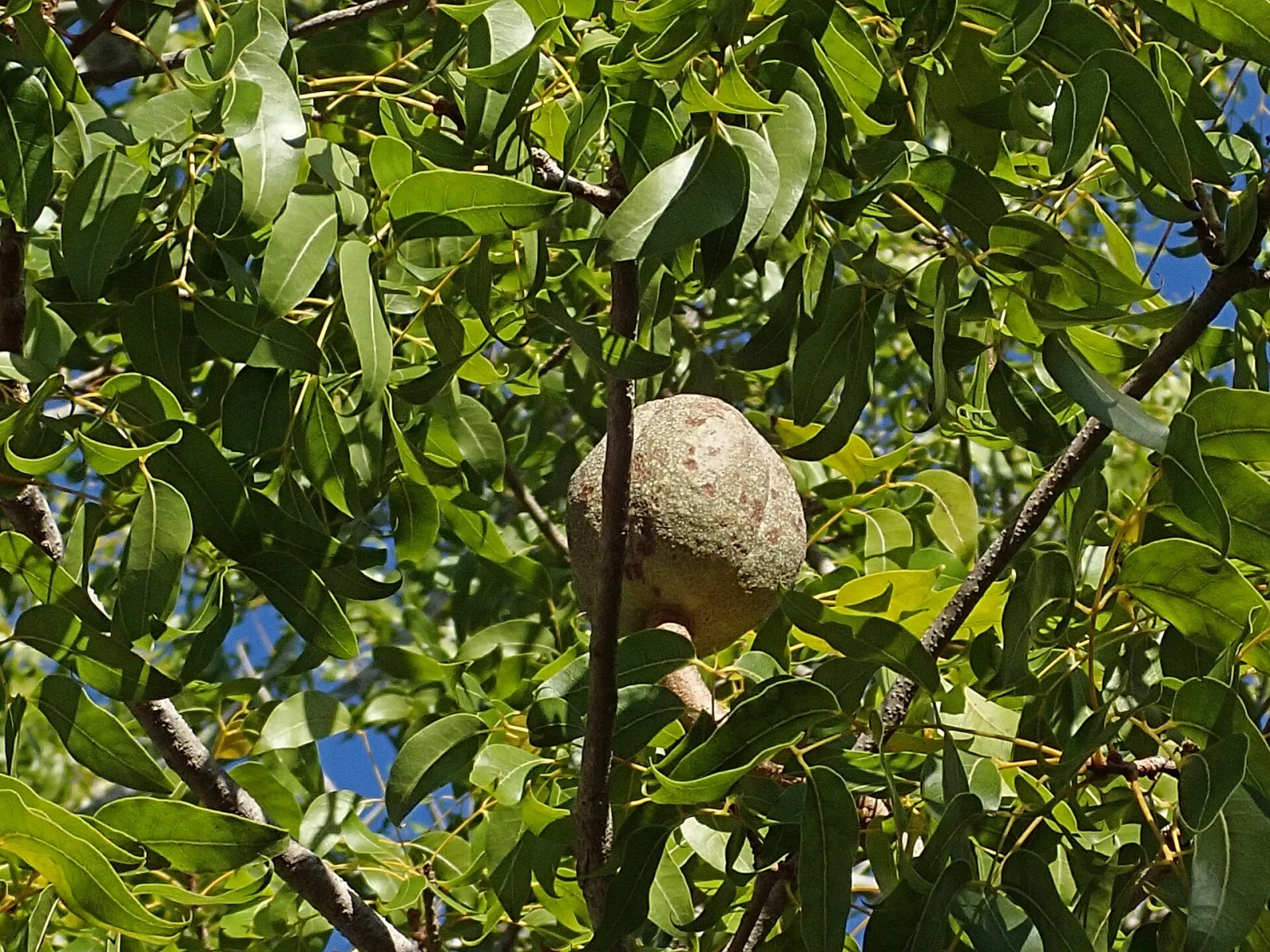 Documentary photograph
Photo by
James St. John
Source: wikimedia_commons
CC BY 2.0
resized and converted to WebP
Wildlife watching and photography · 2 min
Note when and where you observe the tree, which part you are monitoring, and whether it has fruit; if you can count consistently, record the quantity too. Repeated observations can describe changes in that tree, but a record alone does not establish a universal calendar or a conclusion about climate.