At a glance
Essentials
- Size
- Its weight varies seasonally, oscillating between 7-13 kg in spring and 15-17 kg in autumn. The range may vary with age, sex and population.
- Distribution
- Distributed across most of Europe and western Asia, including the Iberian Peninsula, the United Kingdom, and areas of Russia up to the Volga.
- Habitat
- Inhabits deciduous forests, mixed forests, shrubland areas, and agricultural areas, avoiding swampy zones and dense coniferous forests.
- Activity
- It is an animal with nocturnal and crepuscular habits, leaving its burrow at dusk.
- Diet
- Omnivorous diet that includes earthworms, insects, small mammals, carrion, cereals, fruits, and tubers.
- Conservation
- Classified as Least Concern by the IUCN due to its wide distribution and stable or increasing populations.
Observation guide
What to look for
- 01
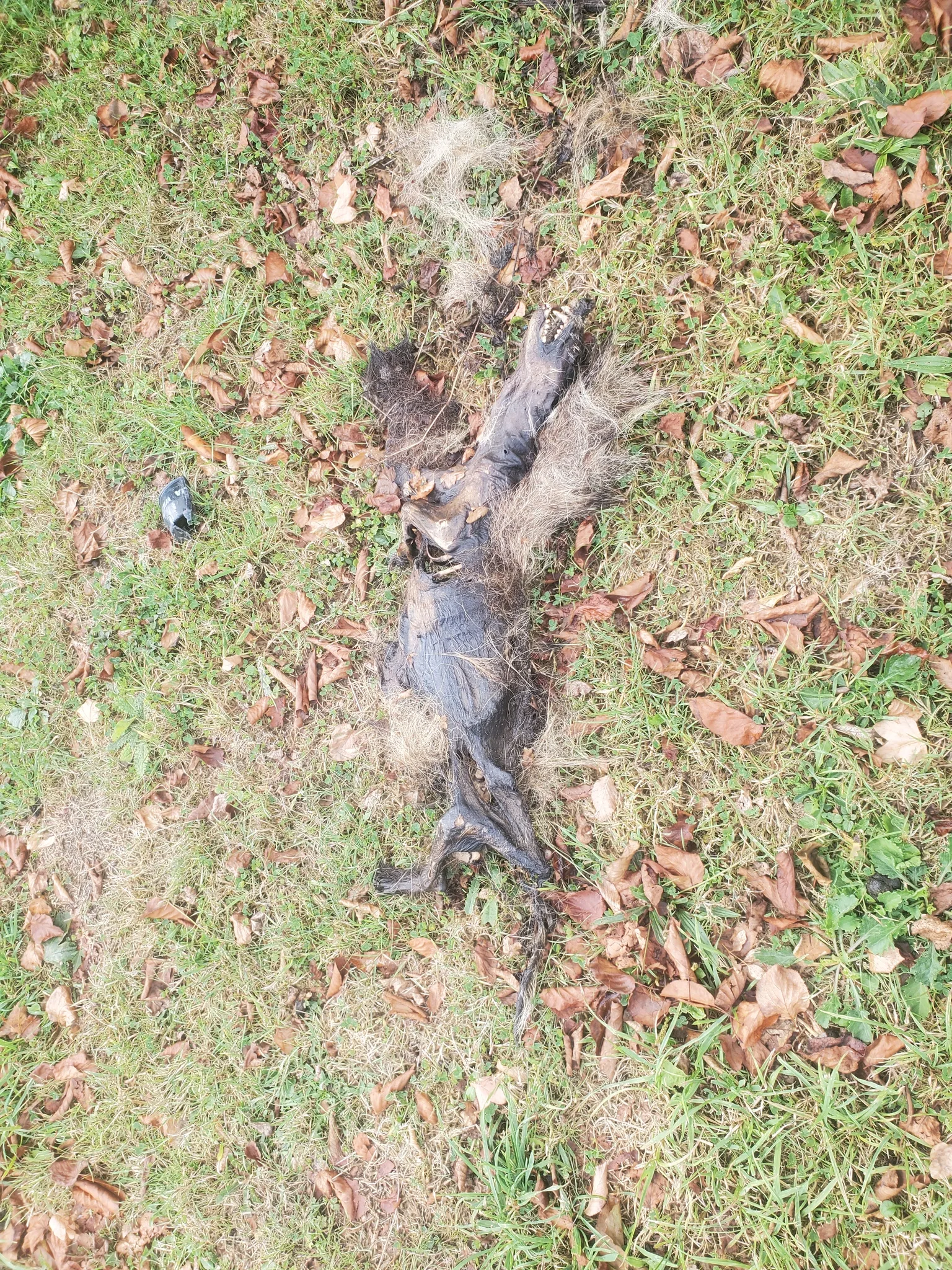
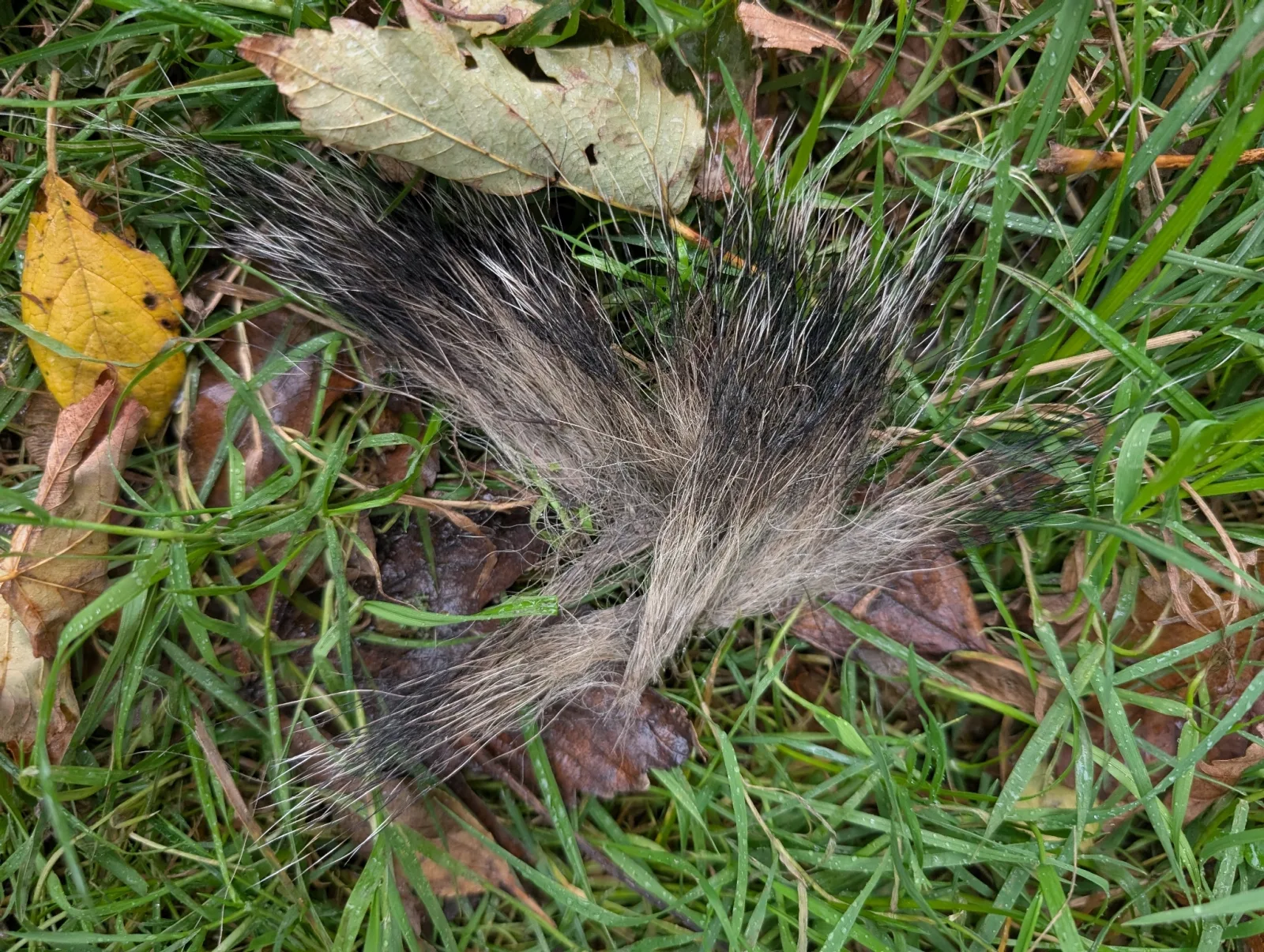
Bicolored fur with white and black facial stripes, short tail with a white tip and white ear edges.
- 02
Robust and compact body with short and powerful legs, adapted for digging.
Lighting, age and viewing angle can hide features. If identification affects consumption, handling or conservation, consult specialist sources.
Ecology
Description and characteristics
The European badger (Meles meles) is a mammal of the family Mustelidae, of medium size and robust build. Its fur combines black, white, brown, and grey tones, with a small head and a short tail. The edge of the ears and the tip of the tail are white, features that aid in its identification. Although taxonomically classified as a carnivore, its diet is omnivorous and opportunistic, allowing it to feed on a wide variety of plant and animal resources depending on the season and local availability.
Regarding its behavior, it is a nocturnal and social animal that lives in groups, known as clans, which usually consist of between two and twelve individuals. These groups occupy complex underground burrow systems, called badger sets or setts, which can extend for tens of meters and have multiple chambers and entrances. Badgers are careful about cleaning their burrows, transporting fresh material for the bedding and removing dirty material. Their activity is concentrated at dusk and during the night, although they can occasionally be observed during the day in exceptional circumstances.