Outdoor interests and nature

Outdoor interests and nature

Ideas and knowledge for enjoying the countryside, water and outdoor life while understanding the living things and places we share.

Read on and explore

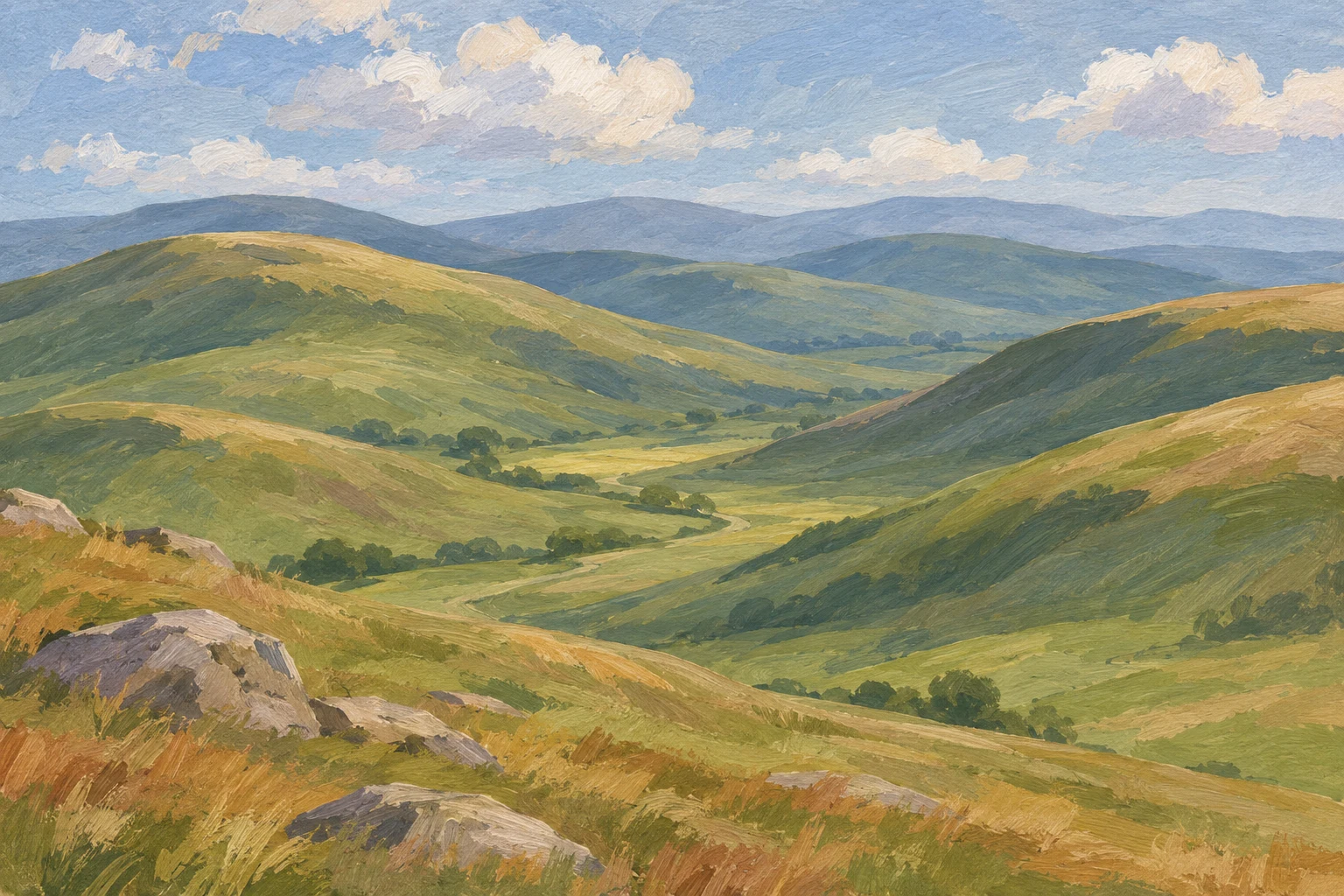
AI-generated illustration: An imagined landscape of hills and valleys; not a topographic map. Not a documentary photograph or scientific evidence.Editorial illustration Editorial illustration for FaunaGuide

Walking and navigation · 2 min

What contour lines tell you about the terrain

Contour lines connect points of equal elevation and show the shape of the terrain. Their spacing helps identify steeper or gentler slopes, and they can also represent depths below the sea surface.

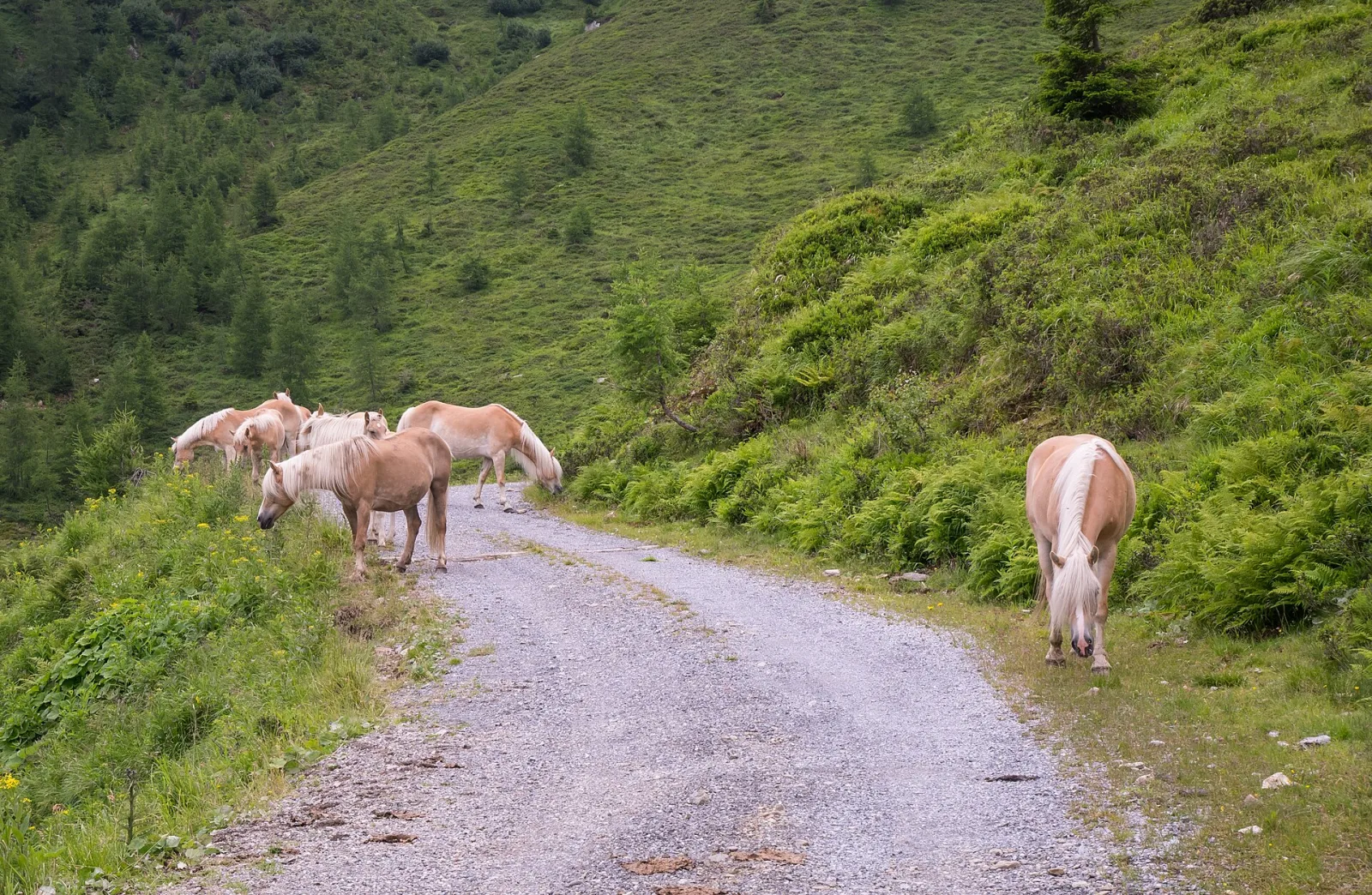
Context image: Haflinger horses in St. Anton am Arlberg, according to the source; not individuals from the genetic study.Documentary photograph Photo by Basotxerri Source: wikimedia_commons CC BY-SA 4.0 resized and converted to WebP

Horses and nature · 3 min

Horse breeds: how they are selected and why they differ

Breeding has directed different horse populations toward sport, draught work or meat production, while the environment also influences local breeds. A genomic study of five Italian breeds found signals of selection and differences in inbreeding, but cannot predict the characteristics of any individual horse.

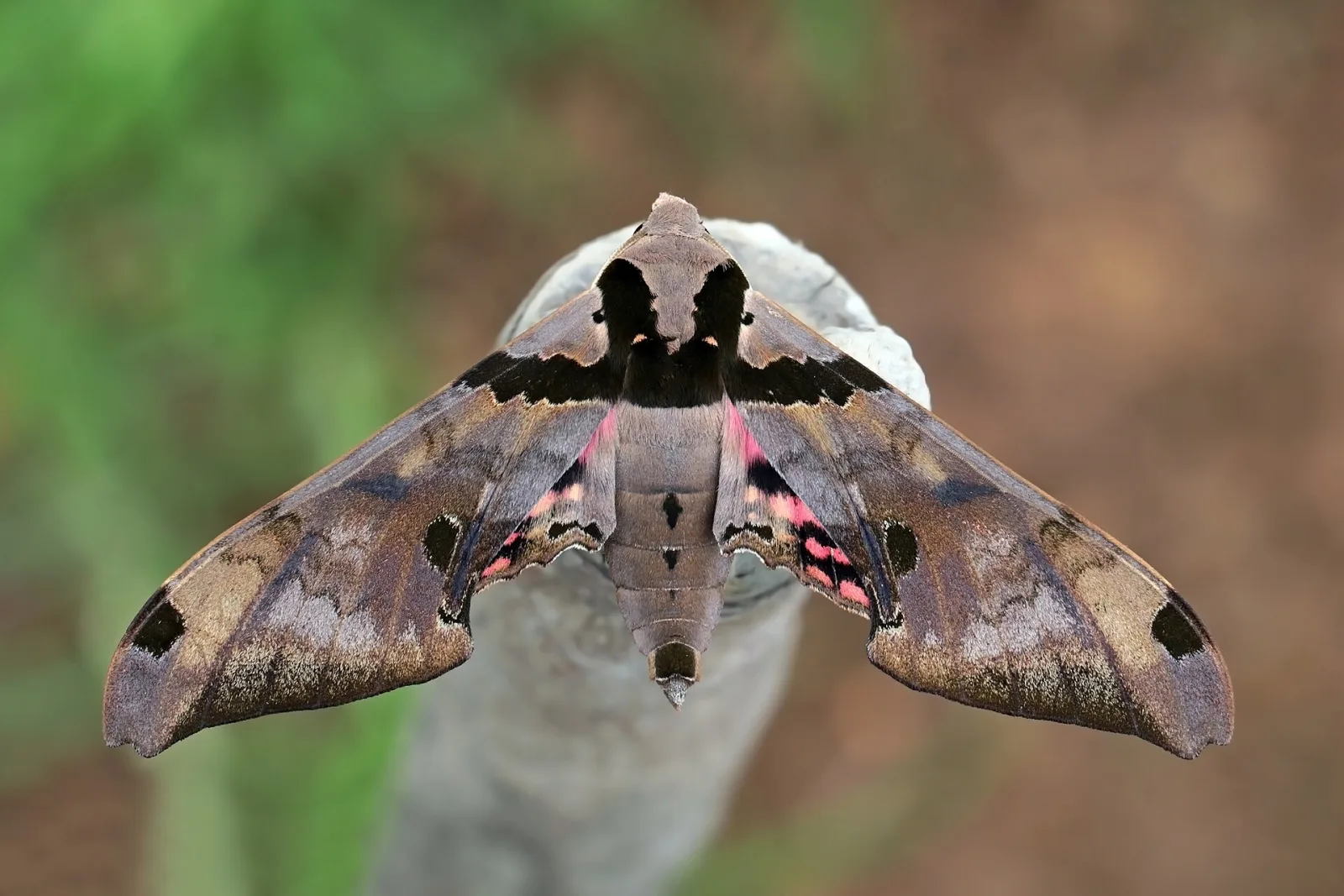
Context image: A resting moth identified as Adhemarius gannascus in the source.Documentary photograph Photo by Charles J. Sharp Source: wikimedia_commons CC BY-SA 4.0 resized and converted to WebP

Wildlife watching and photography · 2 min

Artificial light and nocturnal flight: two documented effects in insects

One study reconstructed how certain insects fly around point light sources; another found fewer moth caterpillars under lighting in studied British habitats. The results describe specific mechanisms and contexts, not a universal response of all nocturnal insects.